Cycling and hanging out…. (click 1st image to scroll through)


Cycling and hanging out…. (click 1st image to scroll through)
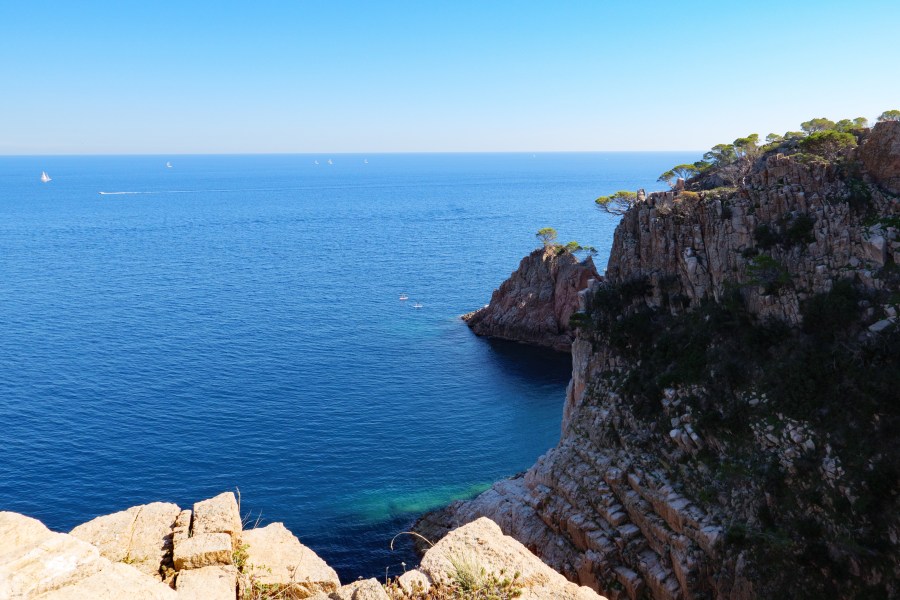
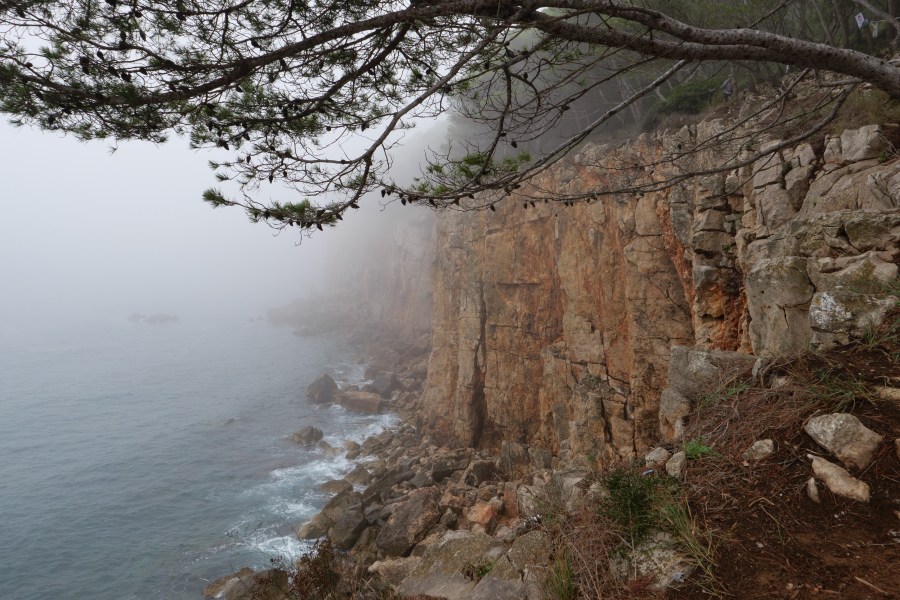
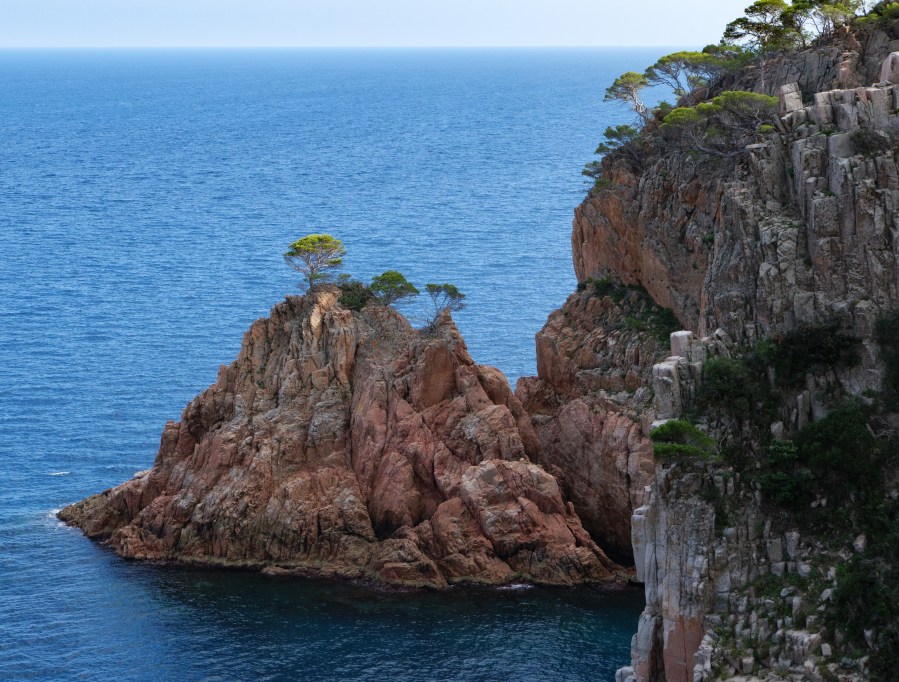
This has to be one of the most beautiful coastlines I’ve ever seen. And certainly the best one I’ve cycled.






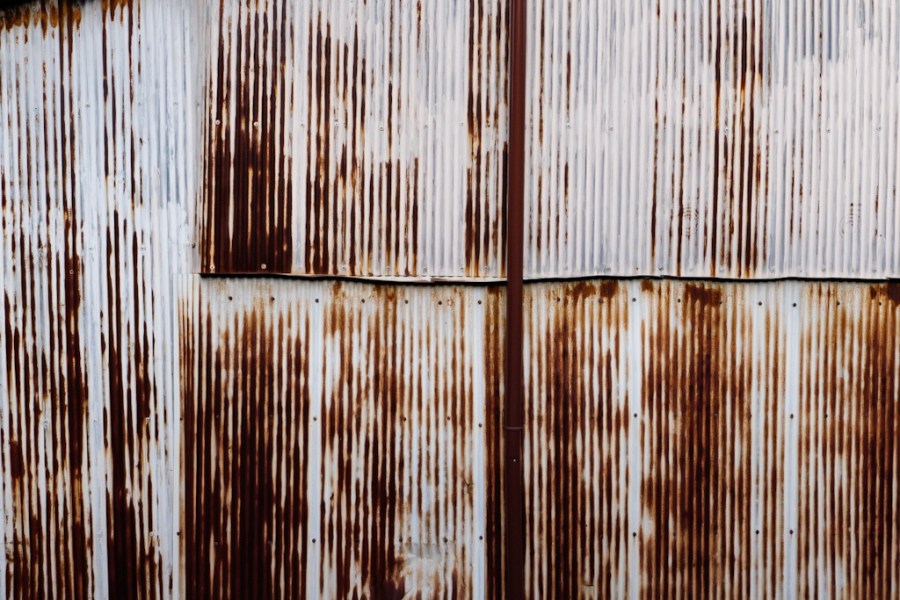
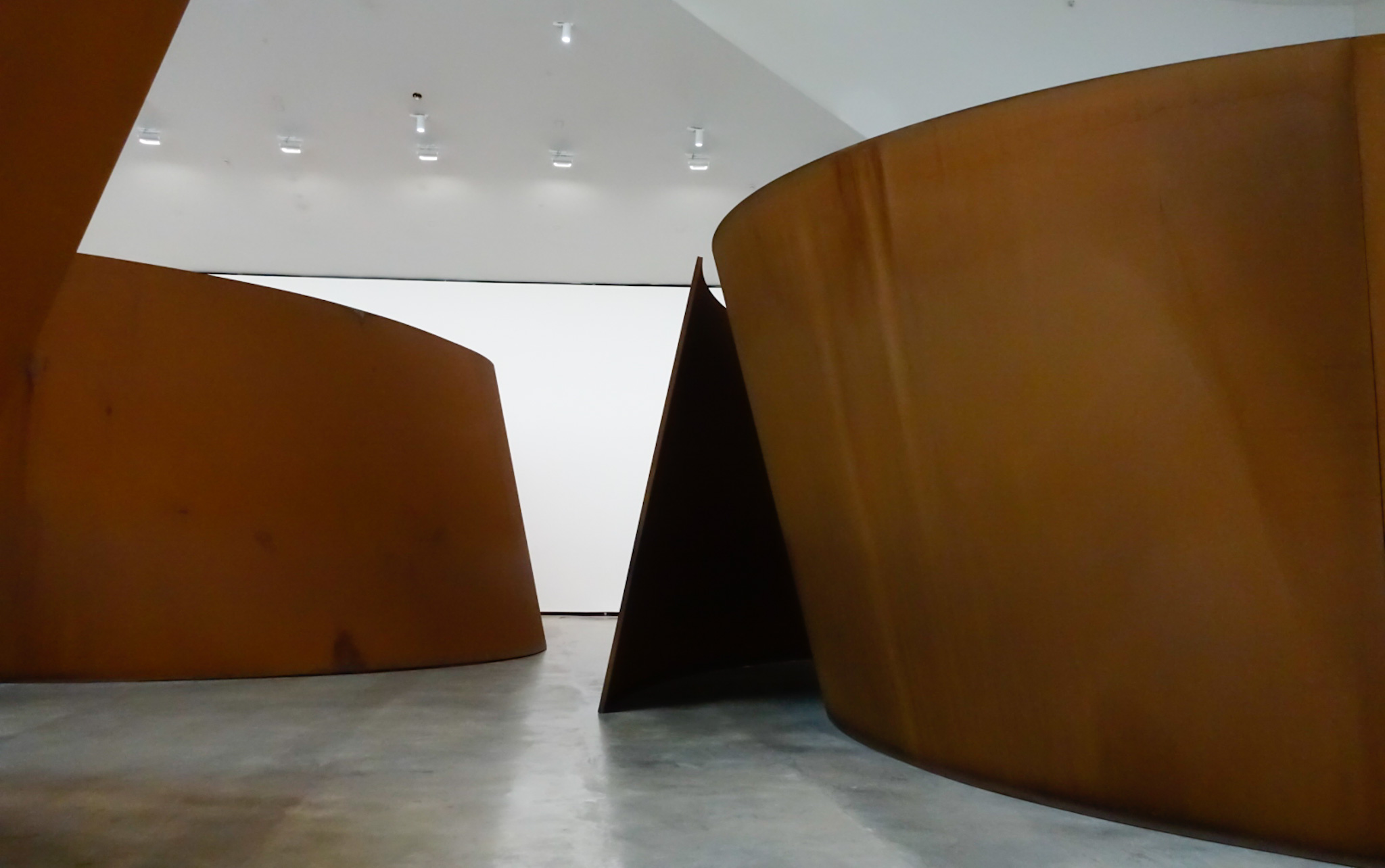
The entrance to a winery. Lots of rusted metal used in this region.

Went kayaking today at the central portion of the Costa Brava


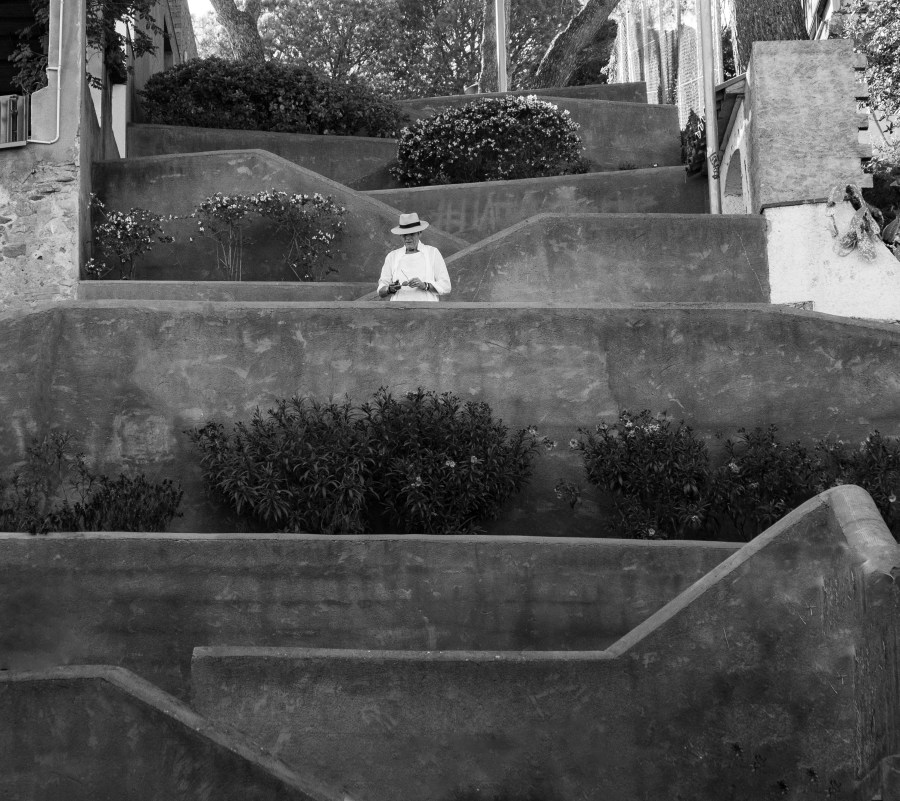
Follow this…..

Photo taken a few days ago (2023) at the Roman ruins in Empúries. Alison is standing on a mosaic (with permission) holding a photo I took of her at this spot in 2003, of her holding a photo of her here in 1965, holding a postcard of the mosaic she’s standing on.

Here is the photo from 2003, holding a photo of her on this spot in ~1965. This is the photo she’s holding in the 2023 photo.
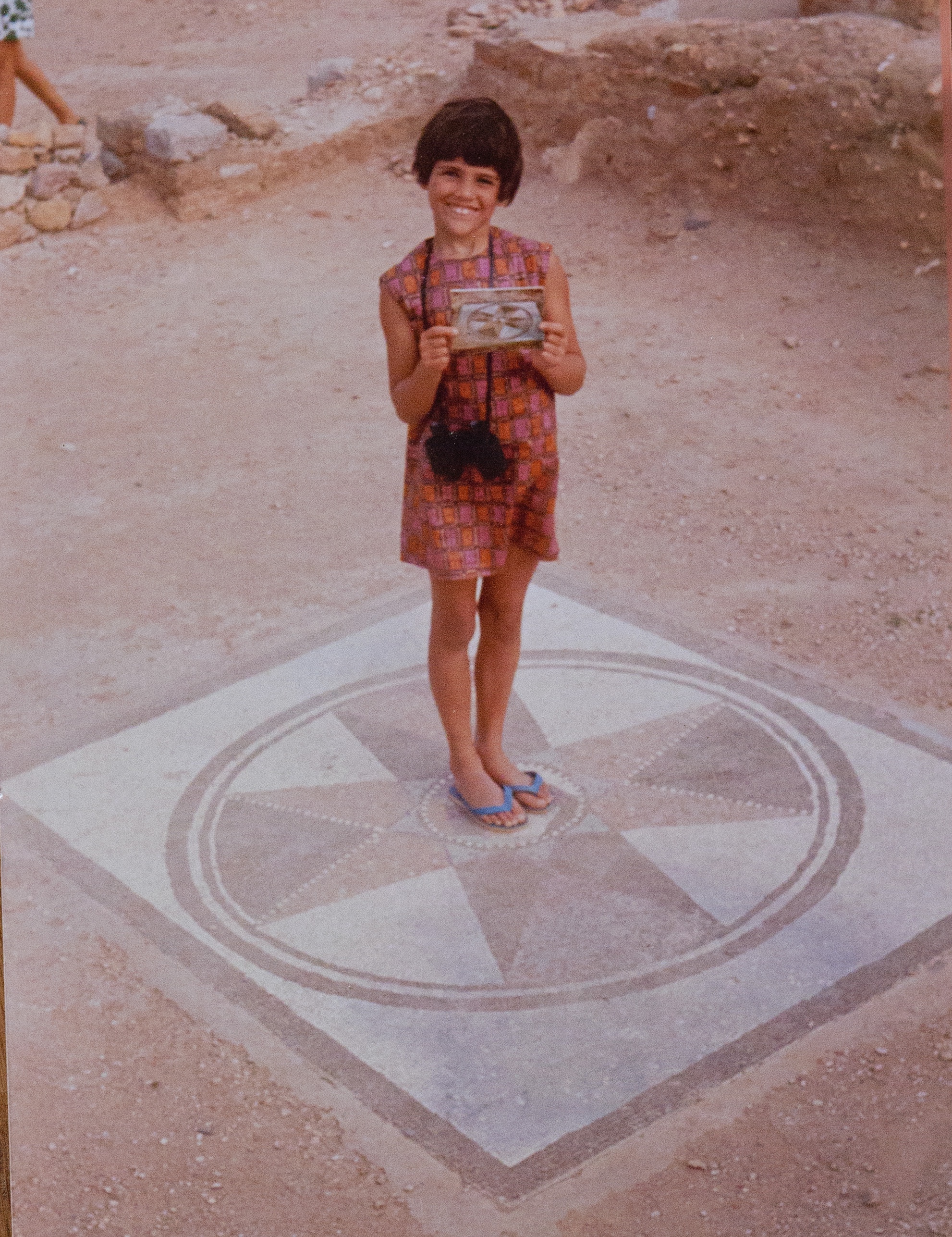
This is Alison in about 1965, holding a card of the mosaic she’s standing on. This is the photo she’s holding in 2003.
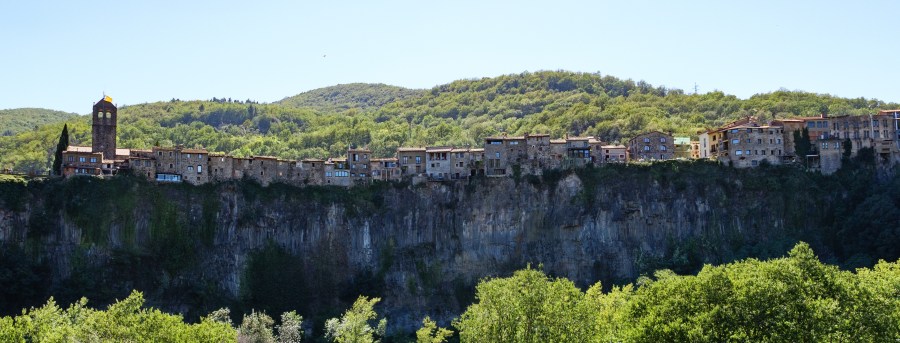
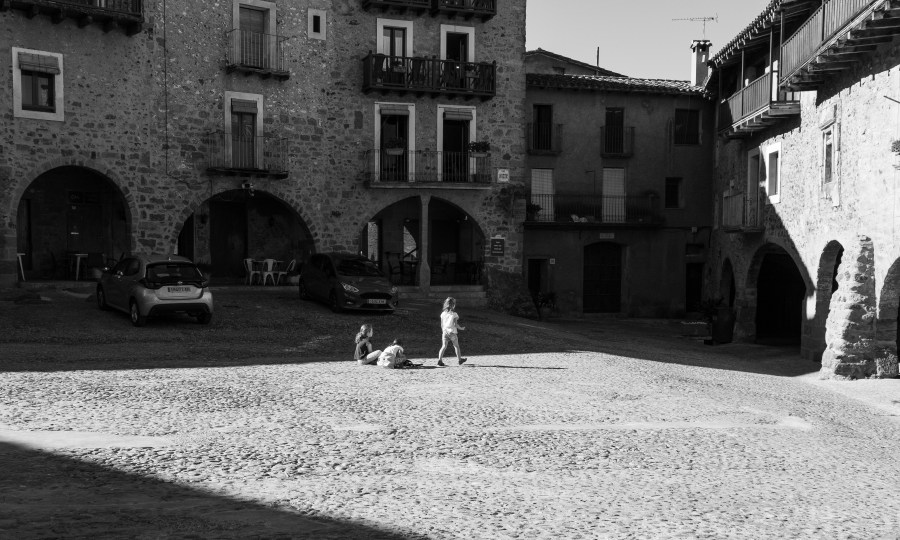


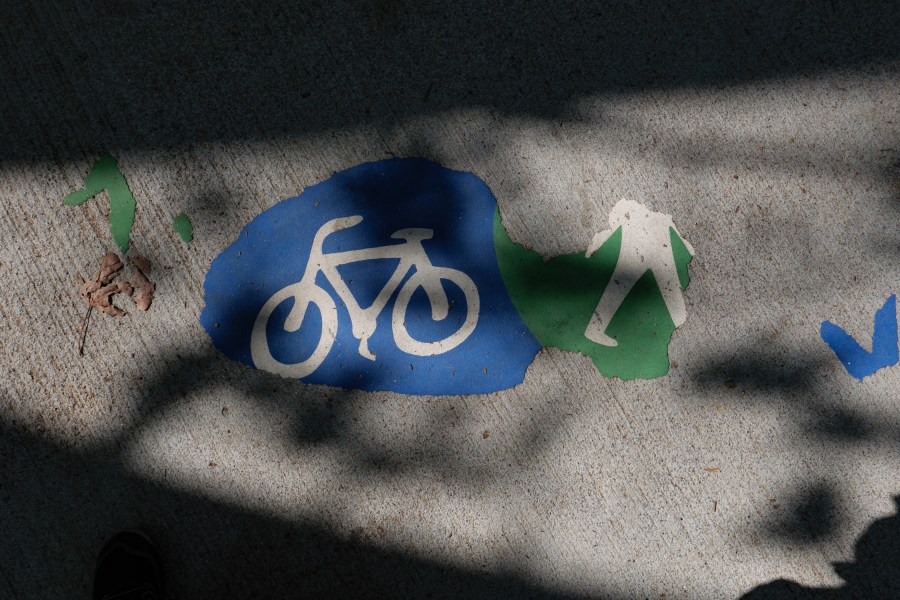

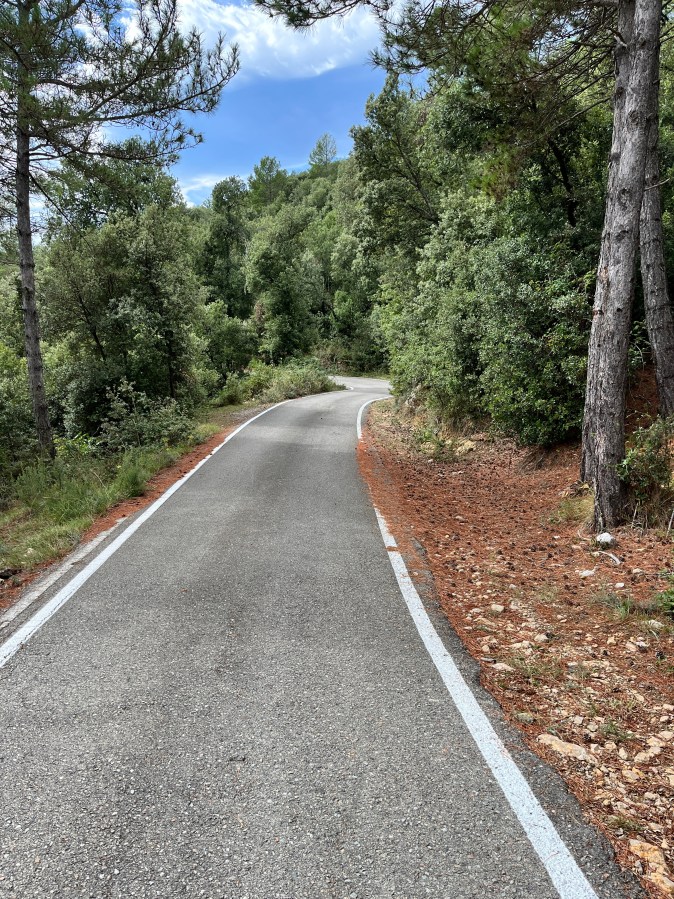
Amazing roads, fantastic routes, more bike shops than you can imagine, bike lanes all over the city, shockingly quiet rural roads, drivers that respect cyclists…no region in the US can even come close.

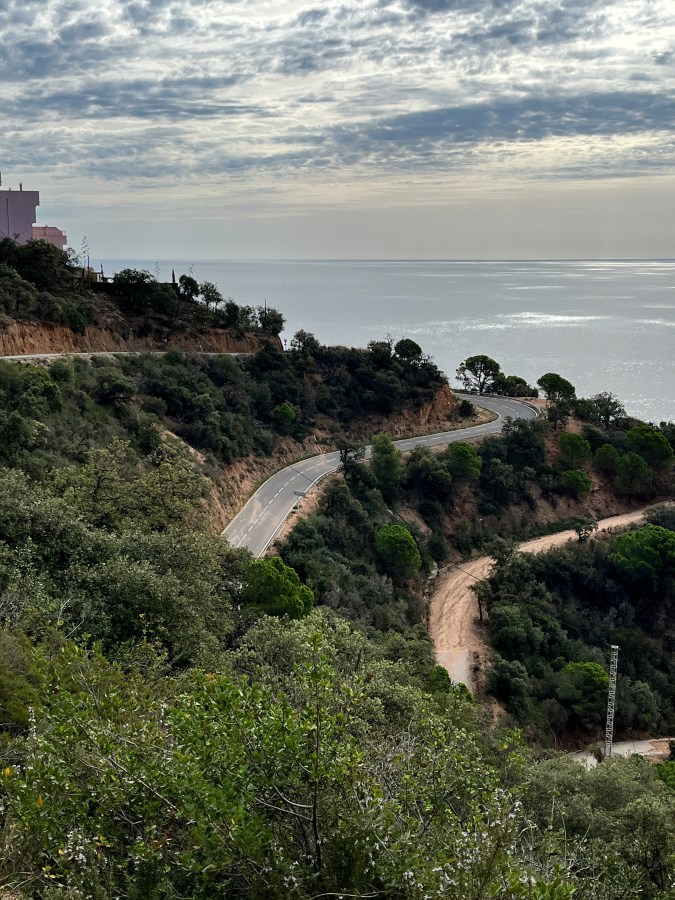

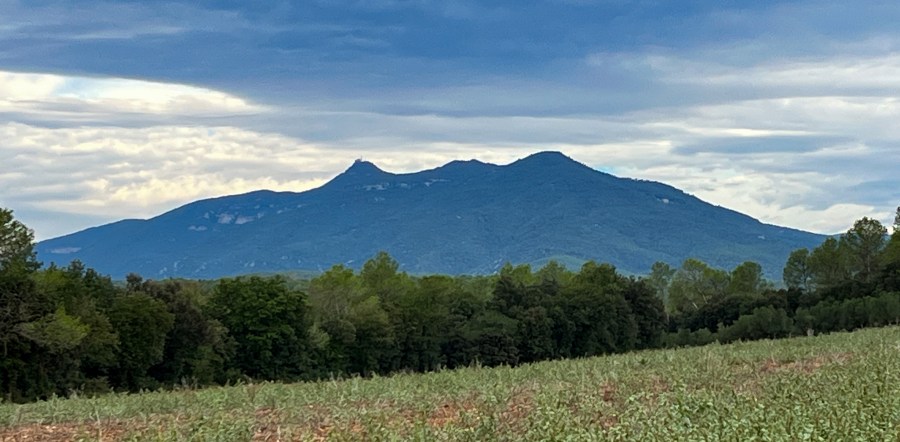





This was my 7th accent of Pikes Peak. The Stats:






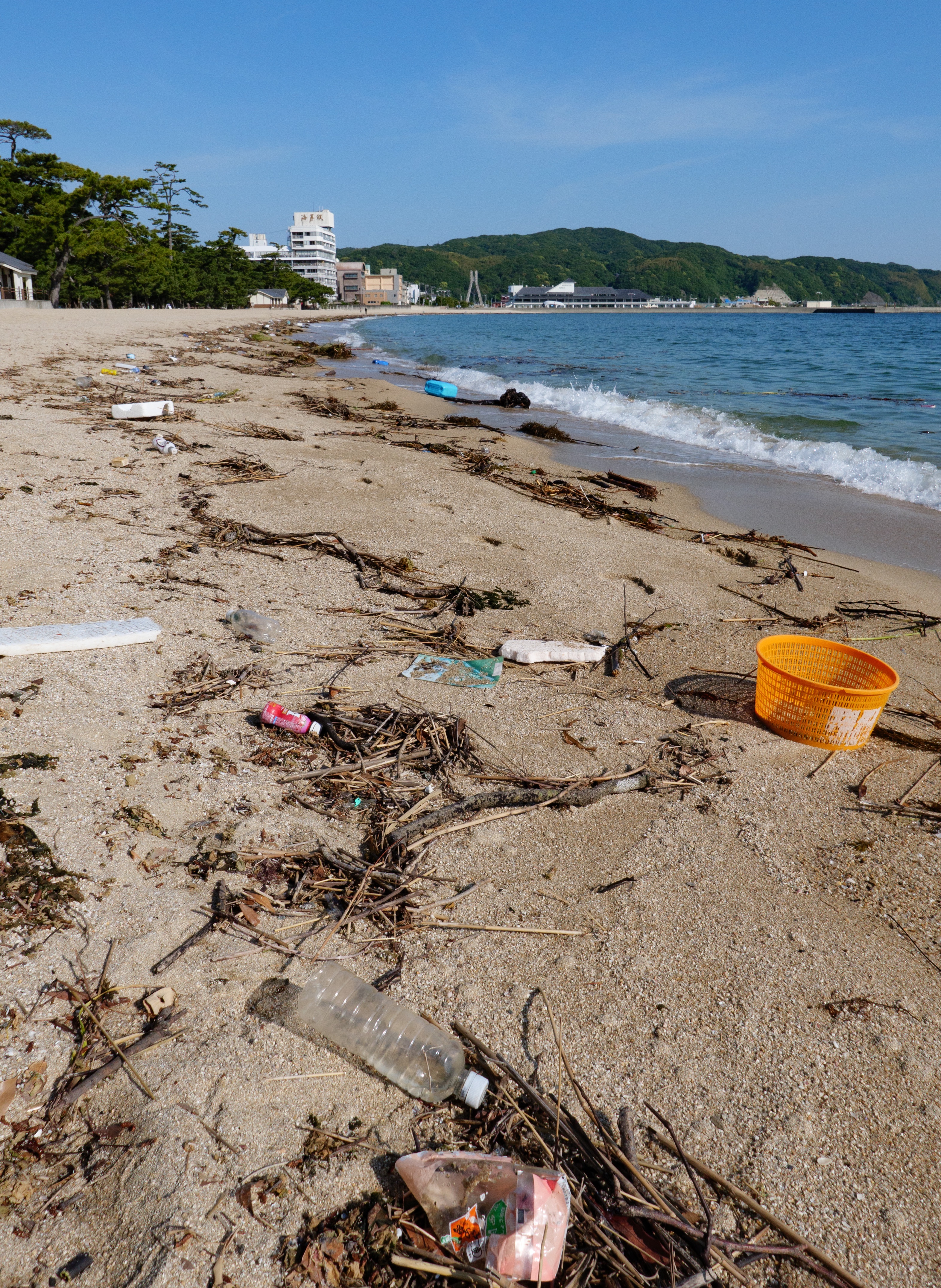
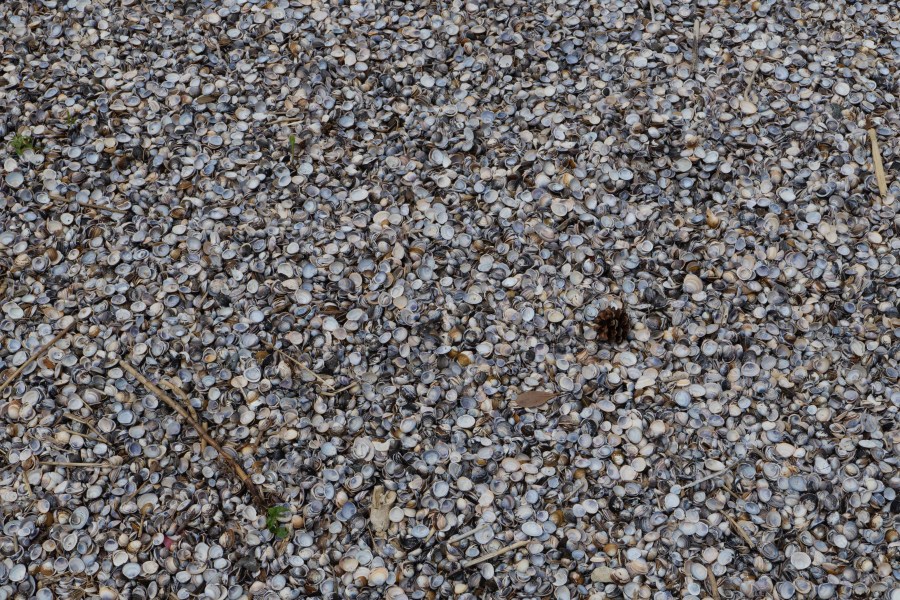
If there was ever proof that our oceans are a swirling cesspool of plastic waste, this is it. The day before this beach was spotless. The next morning: this. We asked the cleanup crew if this happens every day, it doesn’t. But last night the sea was rough and it was windy.
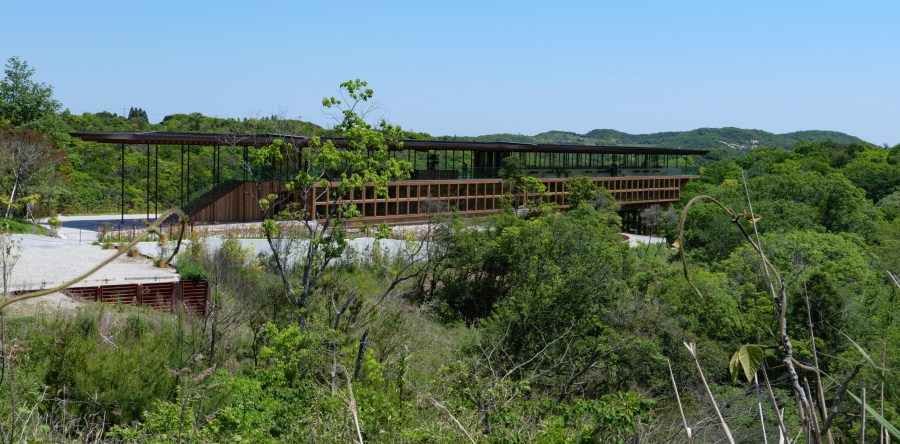

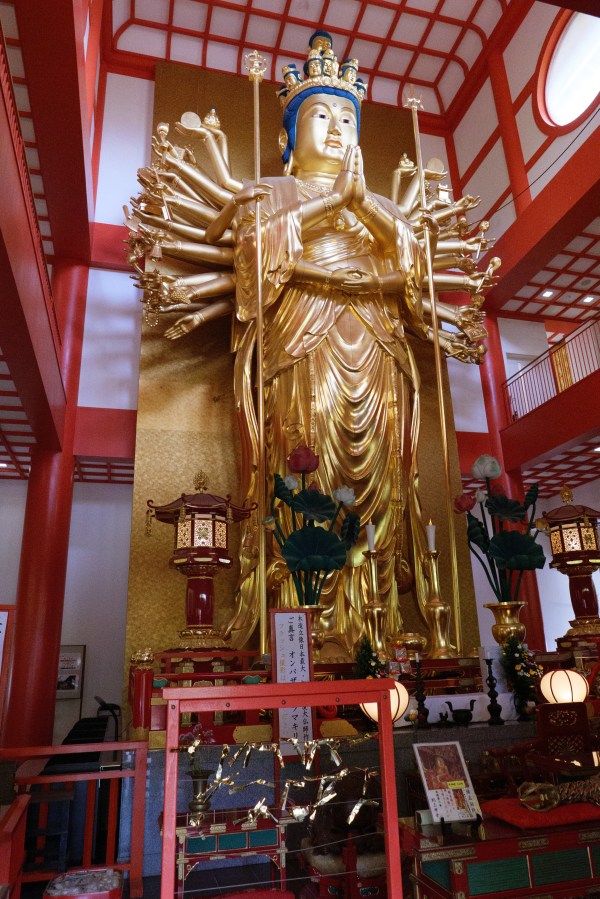
ABOVE: A very cool meditation center
BELOW: A strawberry greenhouse where you can pick strawberries and eat them picnic-style under the vines. Way over-priced. Milking it for more than it was worth. Best part was the photo opportunity.





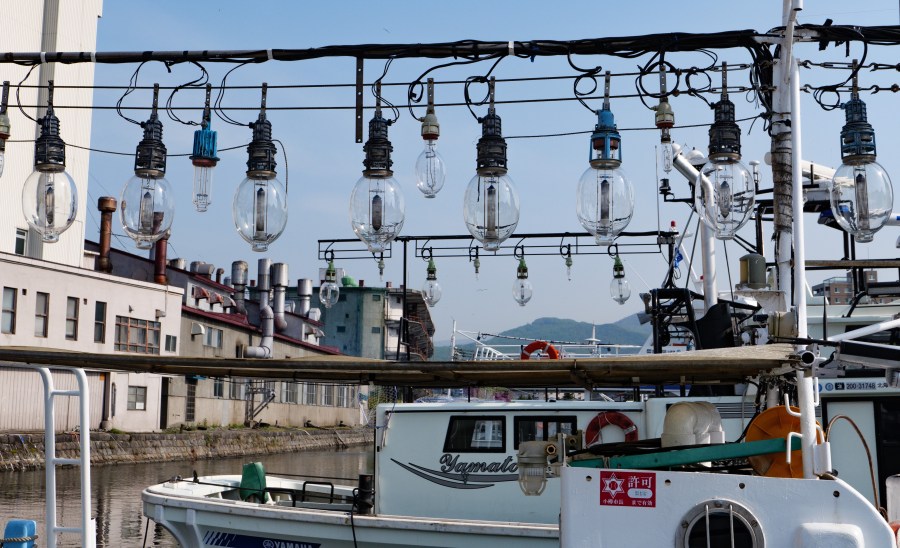

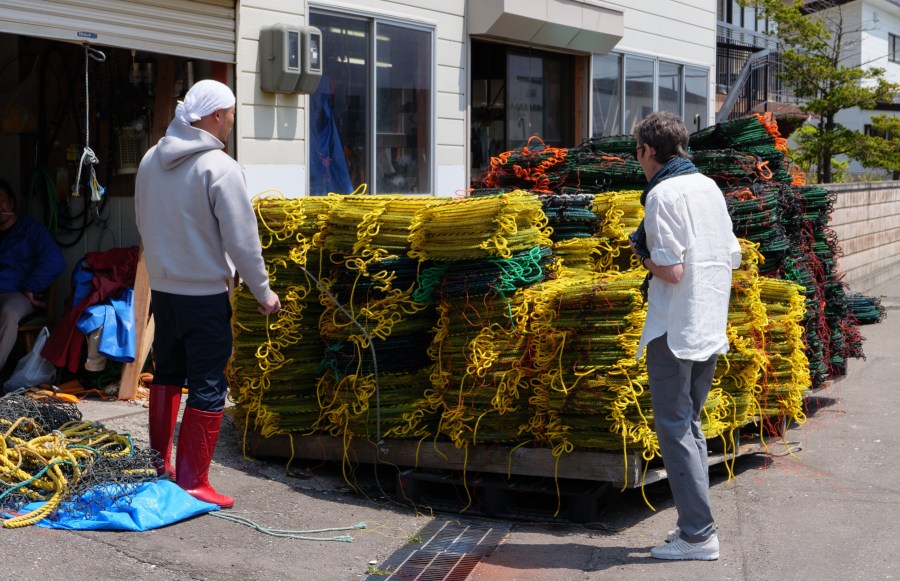

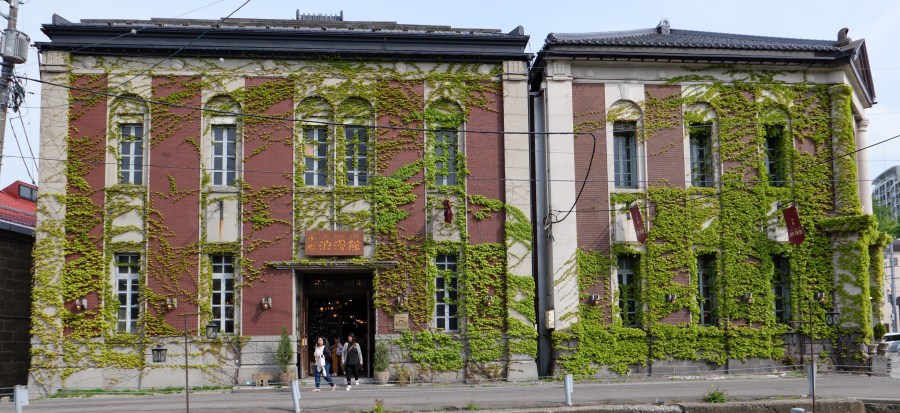

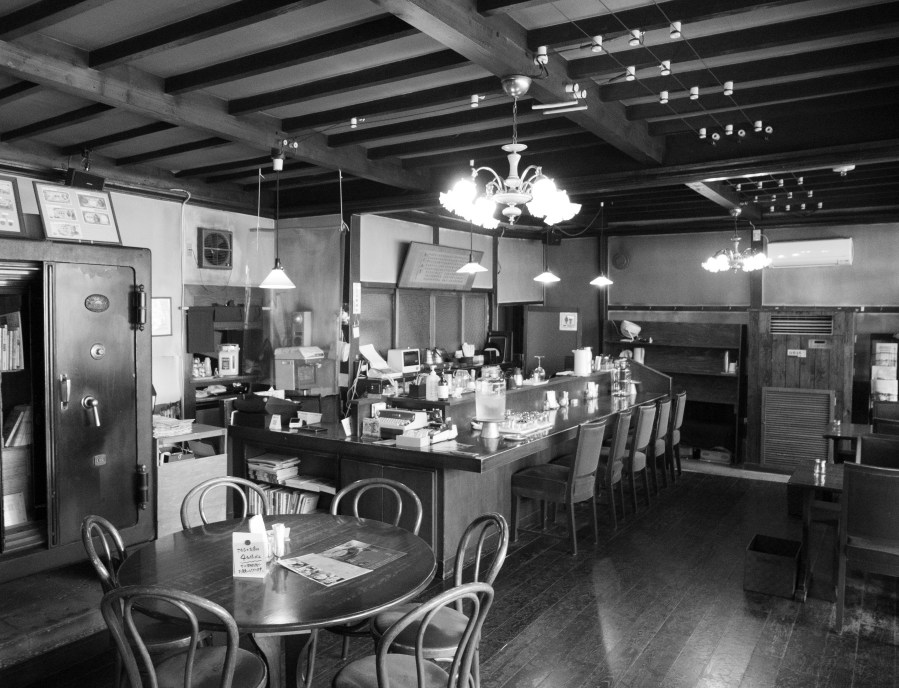
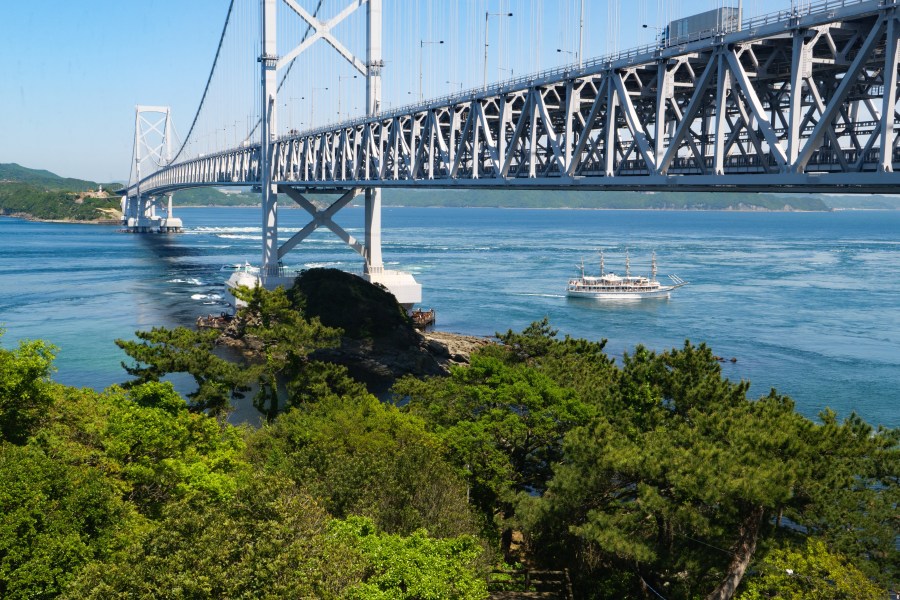
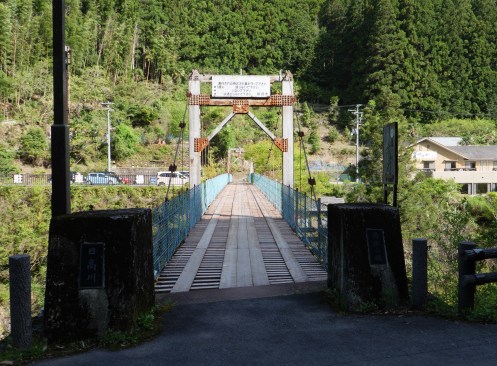
There is a pedestrian walkway under the bridge with clear panels in the floor to see the whirlpools and rapids 150 feet below.


These high school age kids were on a field trip to the Earthquake Memorial we visited. All wearing the ubiquitous black and white uniforms, all with jet-black hair, most all about the same height, most wearing masks…

I pulled our rental car into this parking garage. When I got out of the car, I looked up, and…


…this is what I saw above me. A Matrix-esque scene of stacked cars in this creepy automated parking garage.

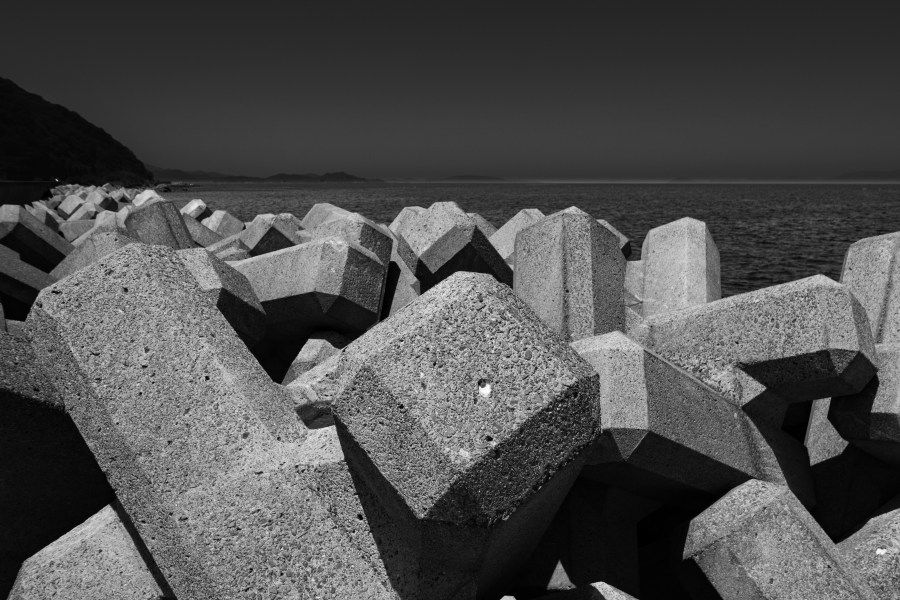
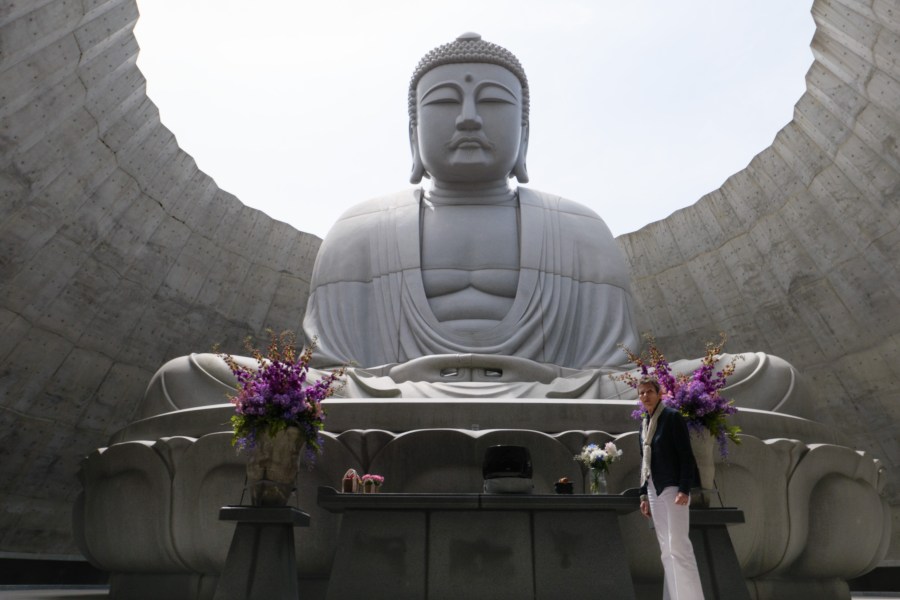
You approach the temple by first seeing the Ando signature concrete walls (first 2 photos). Then you walk down underneath the shallow pools.


Then, below ground, you come to the temple

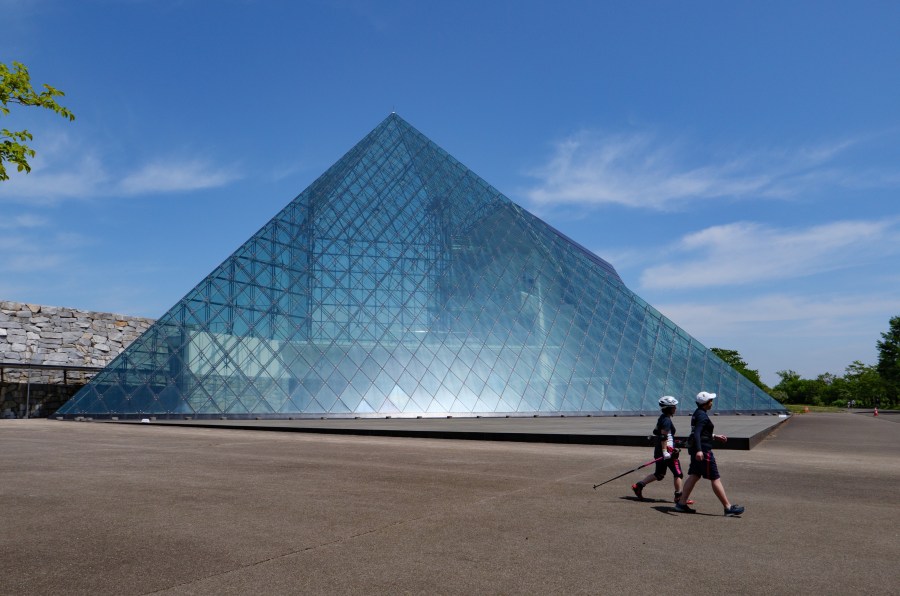
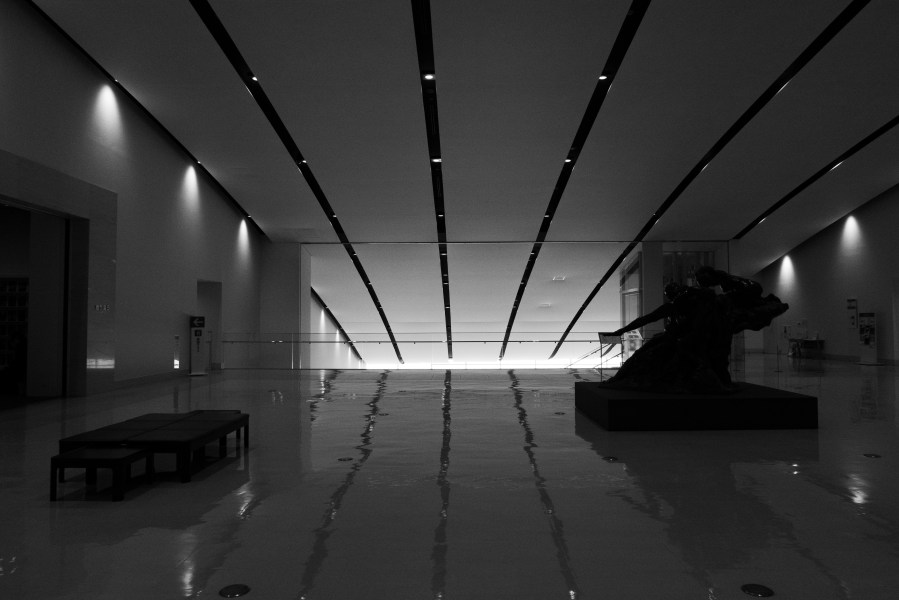
Next, another Ando project, the Awaji Yumebutai. The size and scope of this is hard to explain, and even harder to photograph. The Wikipedia page link below will explain.












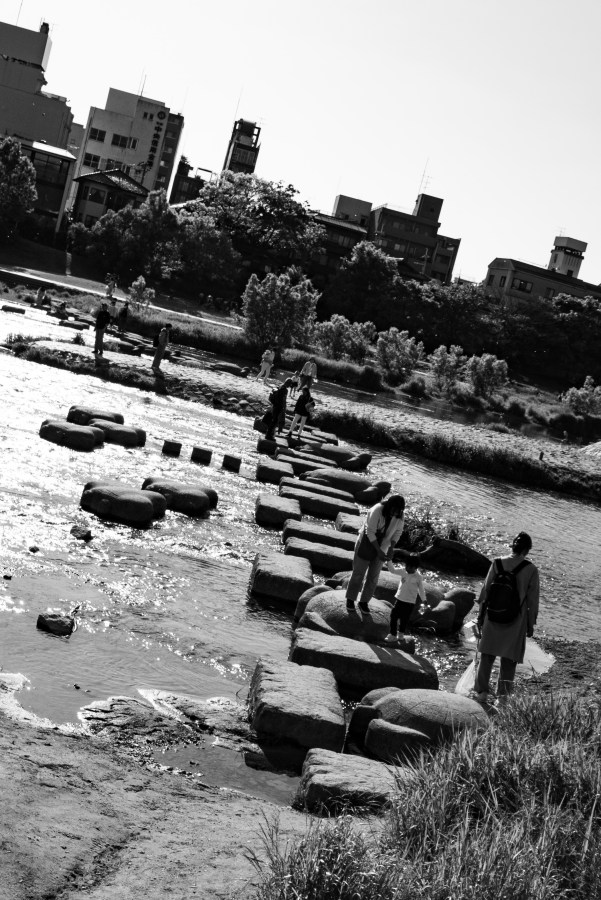


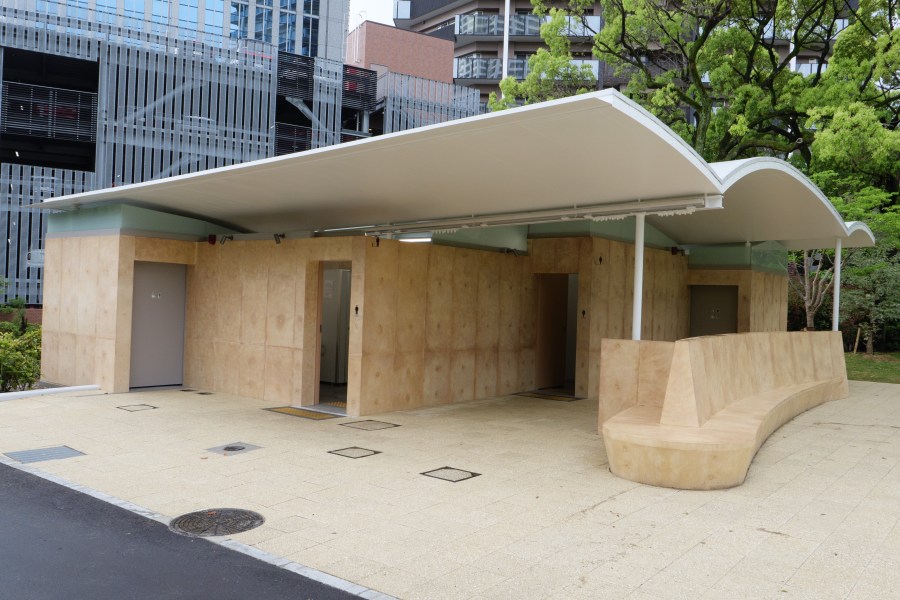
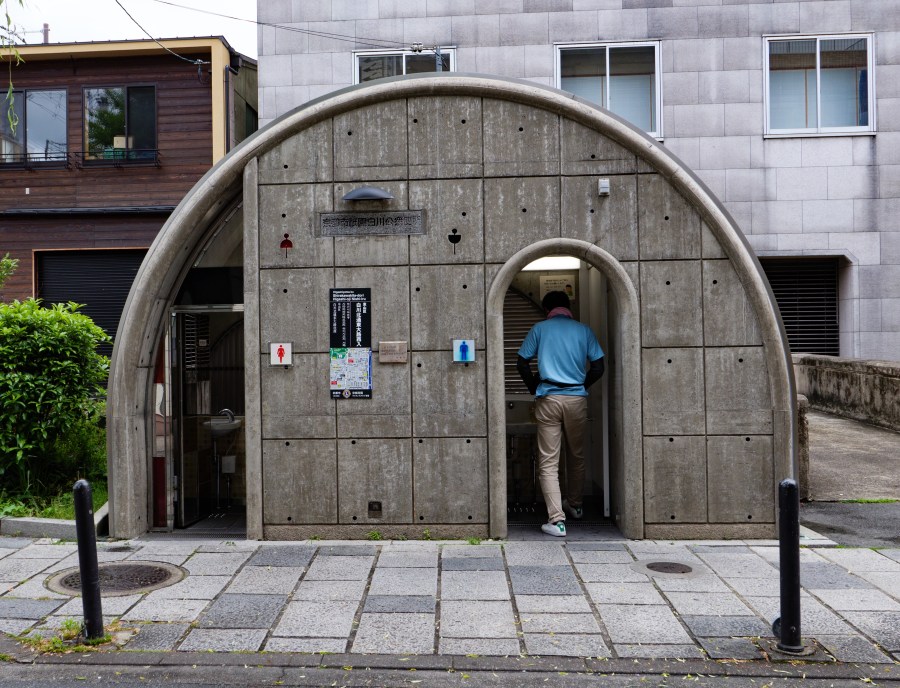


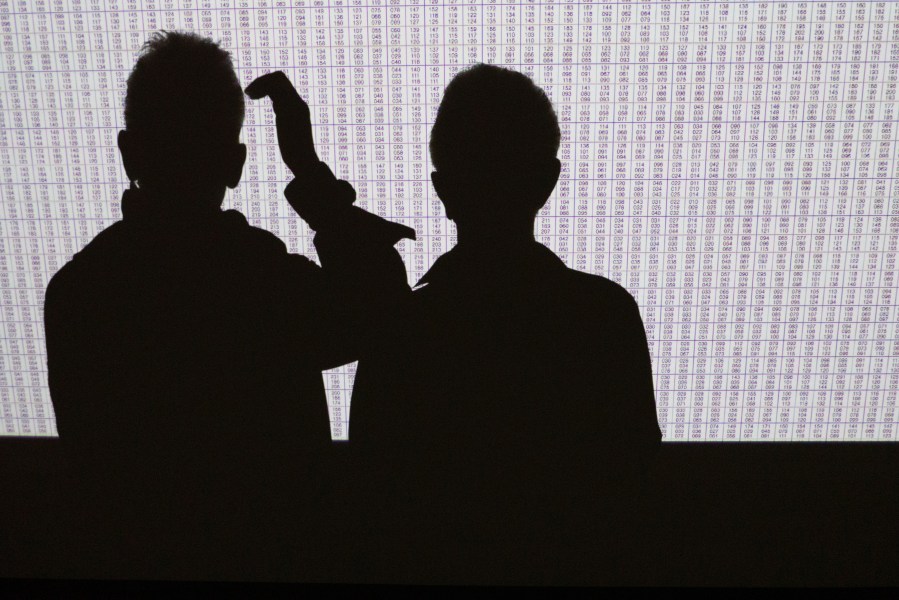

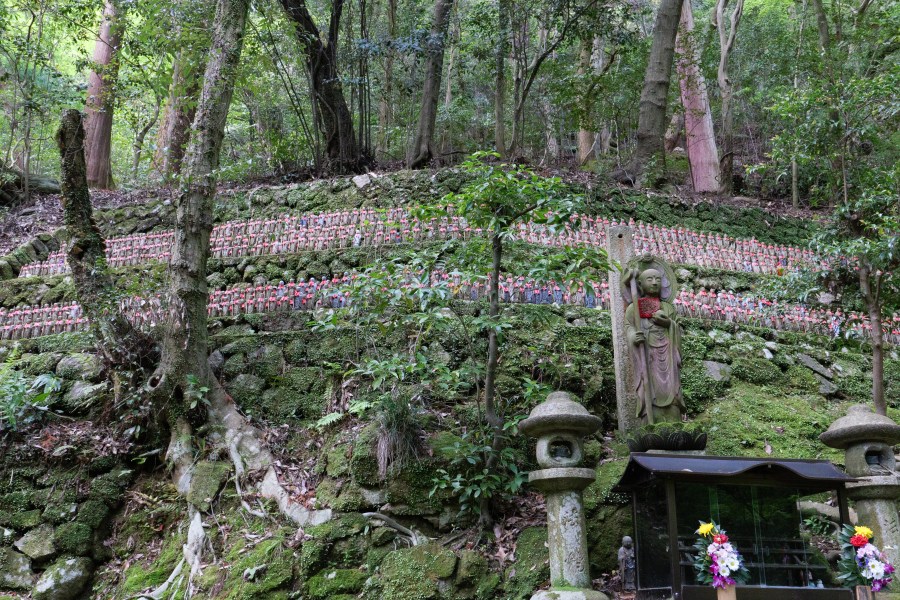


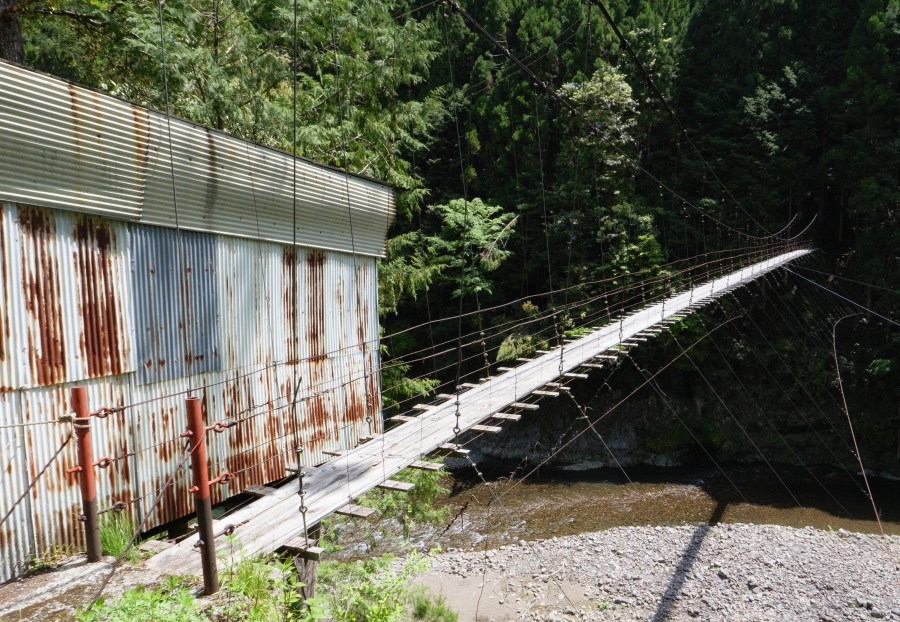

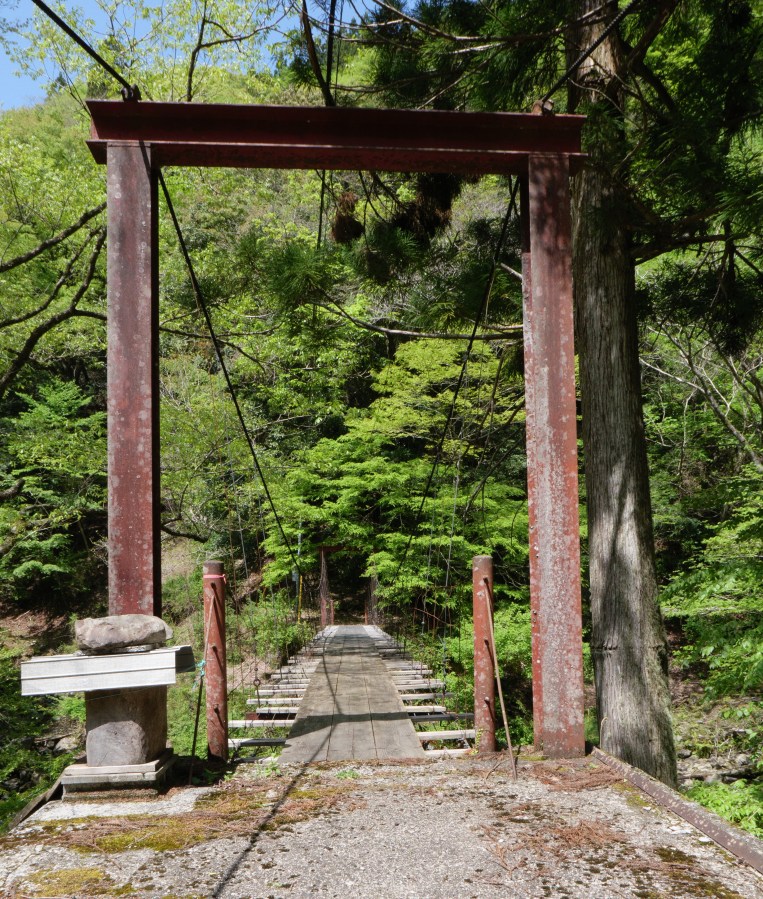


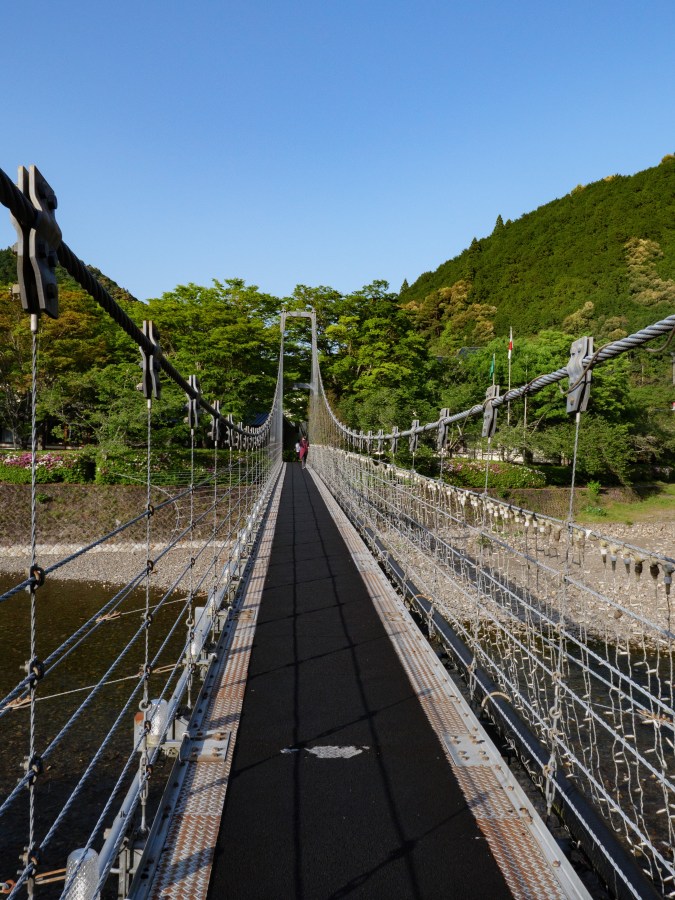


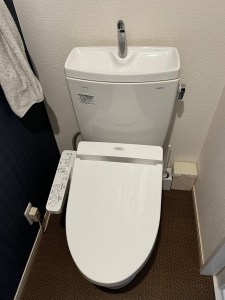
No discussion of traveling in Japan is complete without mentioning toilets. Even a train station can have an expensive Toto toilet, and there’s always a bidet. Very civilized.

Sometimes even an ordinary experience like stopping for coffee to get out of the rain can have a certain amount of simple elegance.


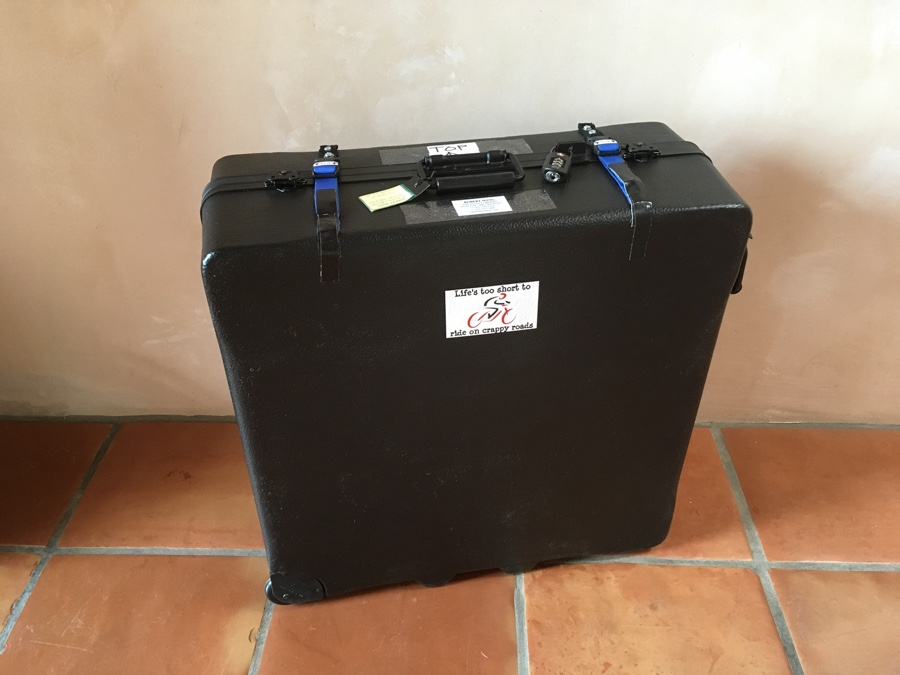
The bike comes to Japan in this case, which is the maximum size for a standard checked piece of luggage.
Then, of course, it turns into this….

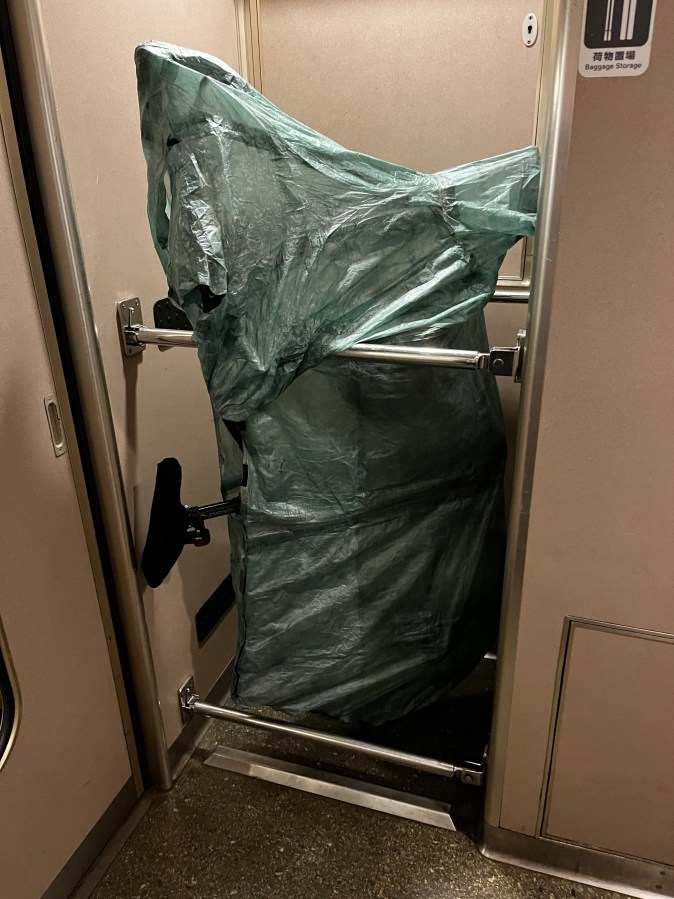
And sometimes it looks like this on a small commuter train…in the required bag. Speaking of the bag: to go on a train the bike must be in a bag. But most bike bags are big, bulky, and heavy. So, I made my own. I needed a material that was strong, lightweight, and that compressed into a small package, so I bought some parachute material and fabricated my own bag. It may not be pretty, but that wasn’t one of the criteria.

And then, in my last cycling hotel, it goes back into the case, and then I have a celebratory sake.
Katsuura bills itself as the capital of maguro (tuna), and well, this claim may be true. The shashimi I’ve had has been amazing. This small port town has either fish stores, fish restaurants, fishing boats, or a seemingly endless number of sake shops.

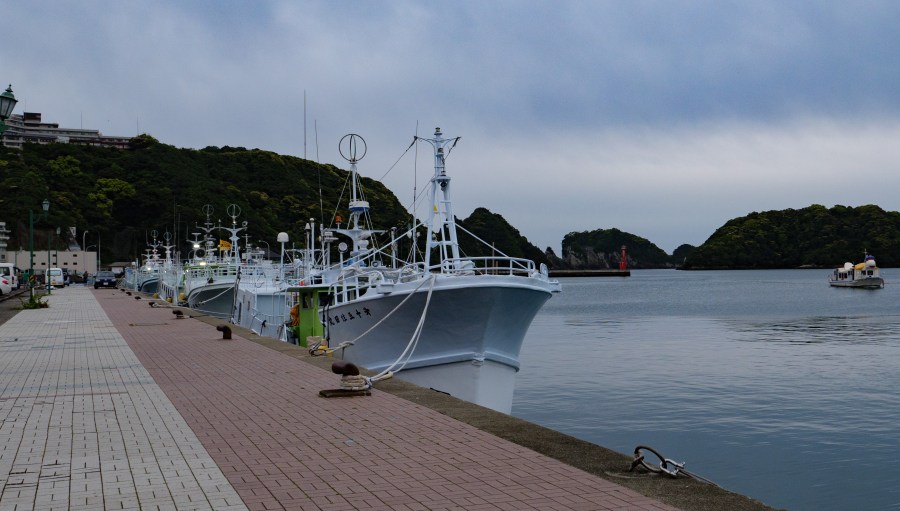
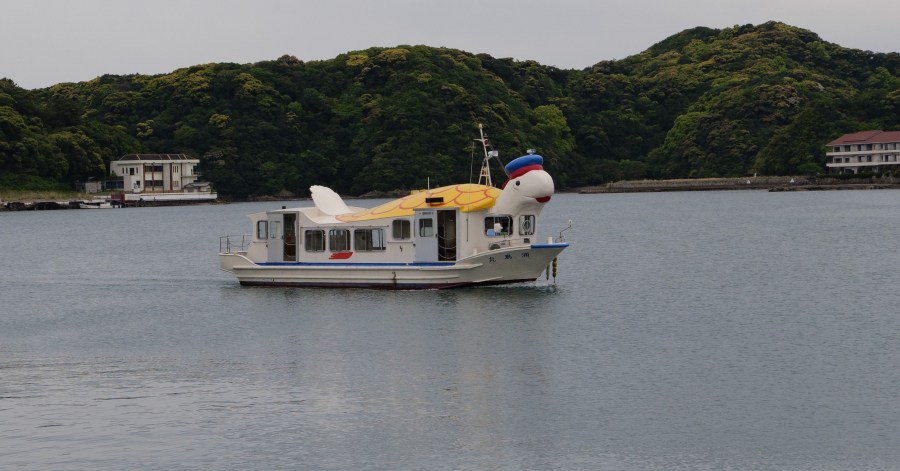
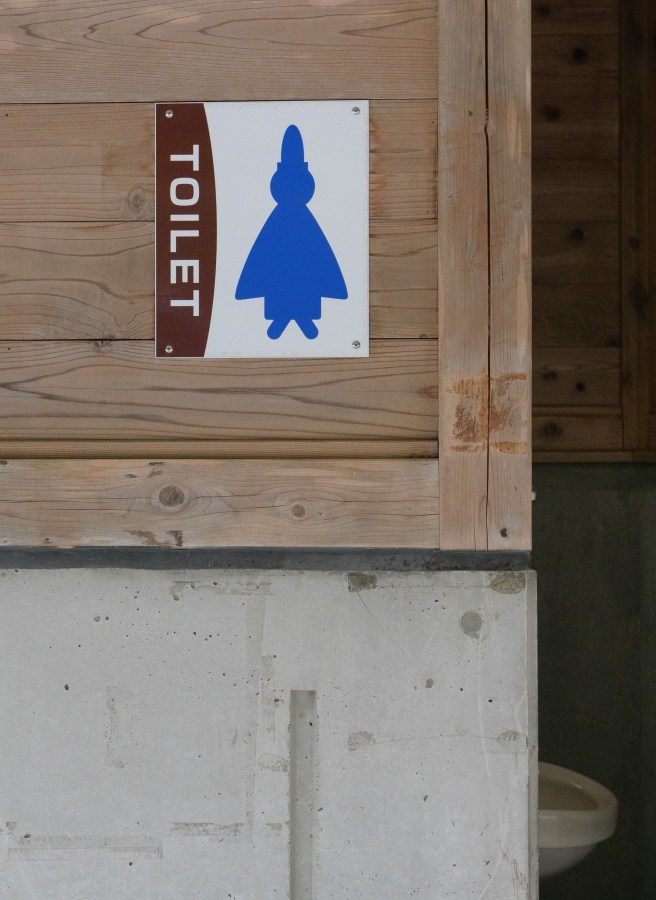
This was a hard day on the bike: 44 miles and 5,900’ of gain. 5-7% grade on a touring bike I can handle just fine. But when the grade gets up to 18%, we’ll, it’s absolutely brutal. There was a lot of the former, and way too much of the latter. However, I had an astounding downhill.
Then I ended up in Katsuura, on the coast, for a rest day. I walked a short part of the Kumano Kodo Pilgrimage Trail and went to Nachi Falls.
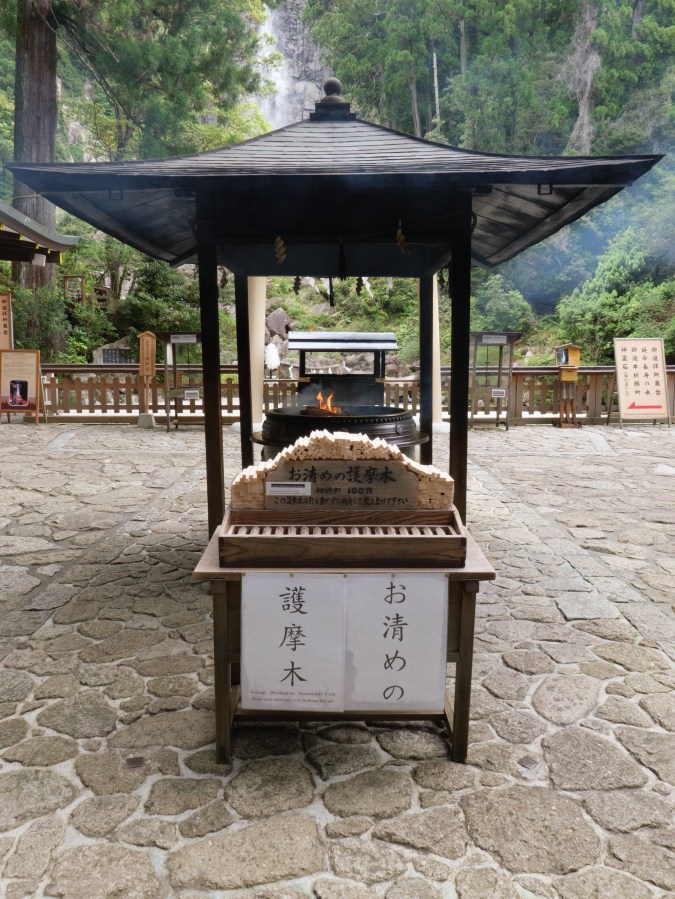
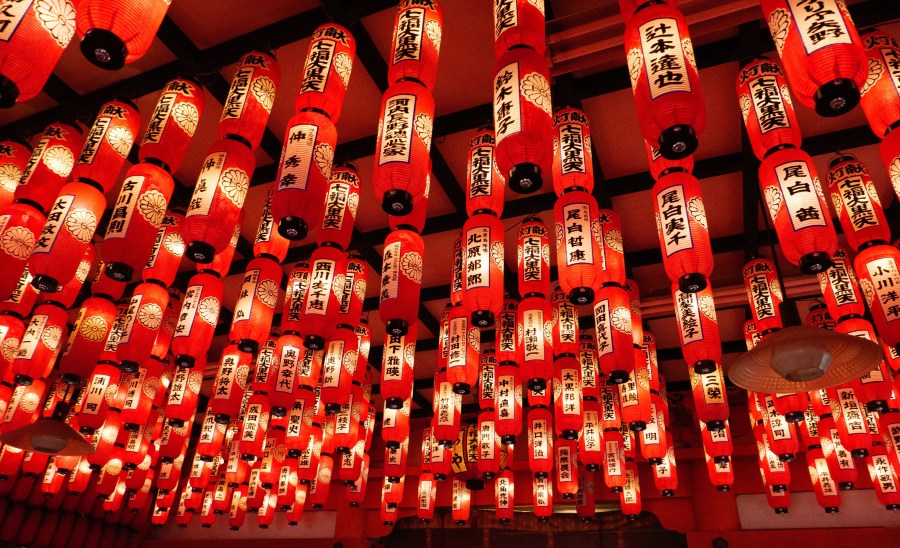
Nachi Falls is the highest waterfall in Japan. There is a (virtual, of sorts) “shrine” at the base in the 3rd image.


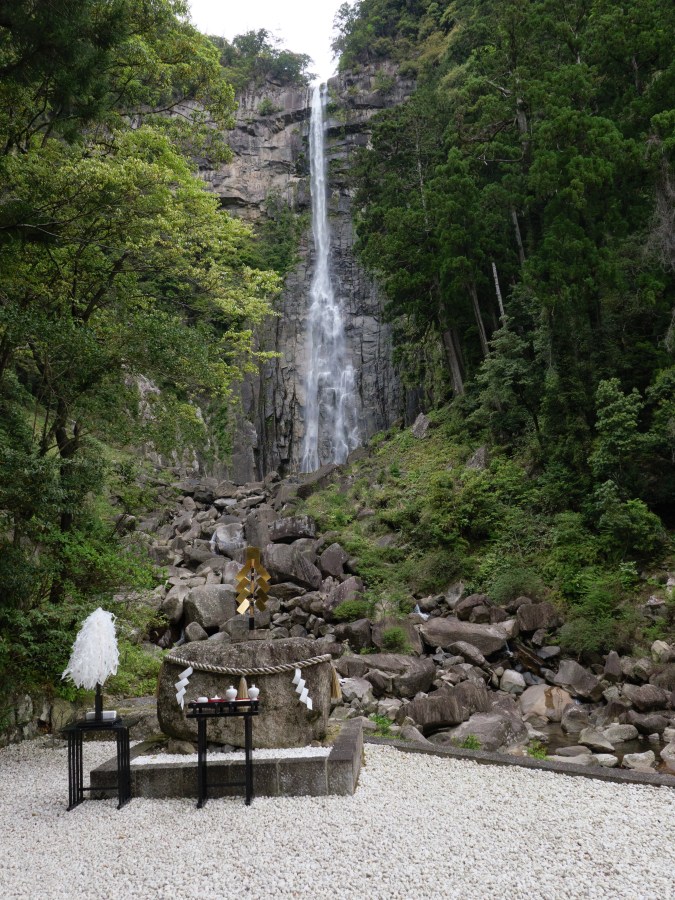





48 miles and 5,800’ of gain…And then there was this….


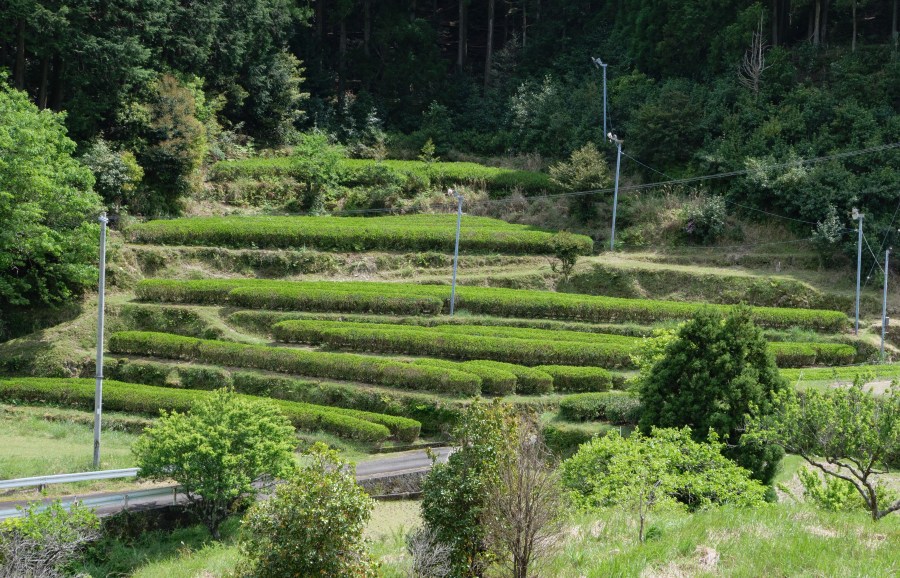

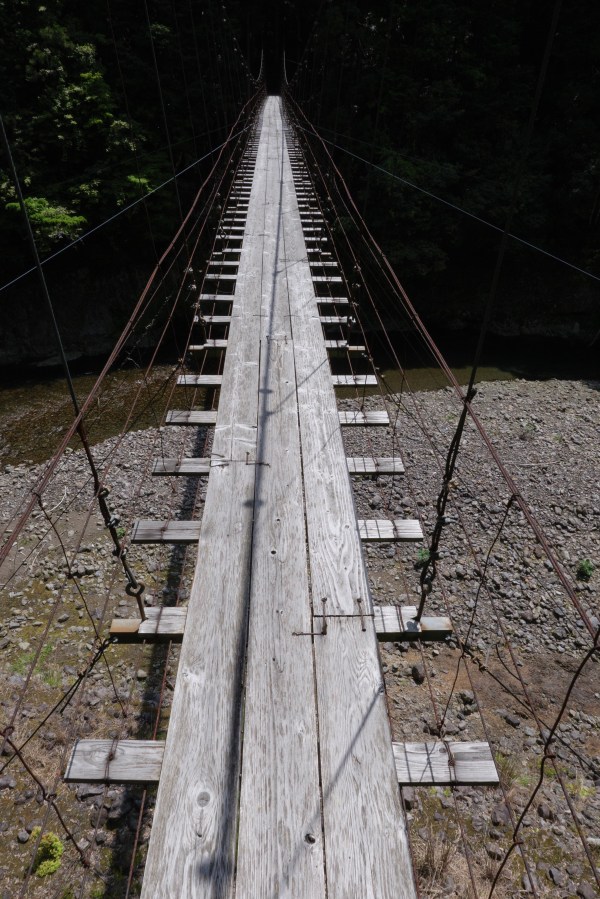
And I thought Shikoku has steep hill climbs with deep, practically vertical valleys. Well, the Kii Peninsula, southern Wakayama Prefecture, has plenty.
The first ride went south from the city of Wakayama through Yuasa, home of Soy Sauce (I went through the small soy sauce museum) to a rural location where I stayed at a guest house. It was a converted fruit storage building. Nice renovation.
Then, it was a grueling climb up to Koyasan. The third day riding the Kii Peninsula was another big climbing day to Ryujin Onsen.
These last 3 rides were not huge in miles: only 111. But the total elevation gain was right at 15,000’. Pulling those damn panniers up the hills, was, well, a bit tiring.


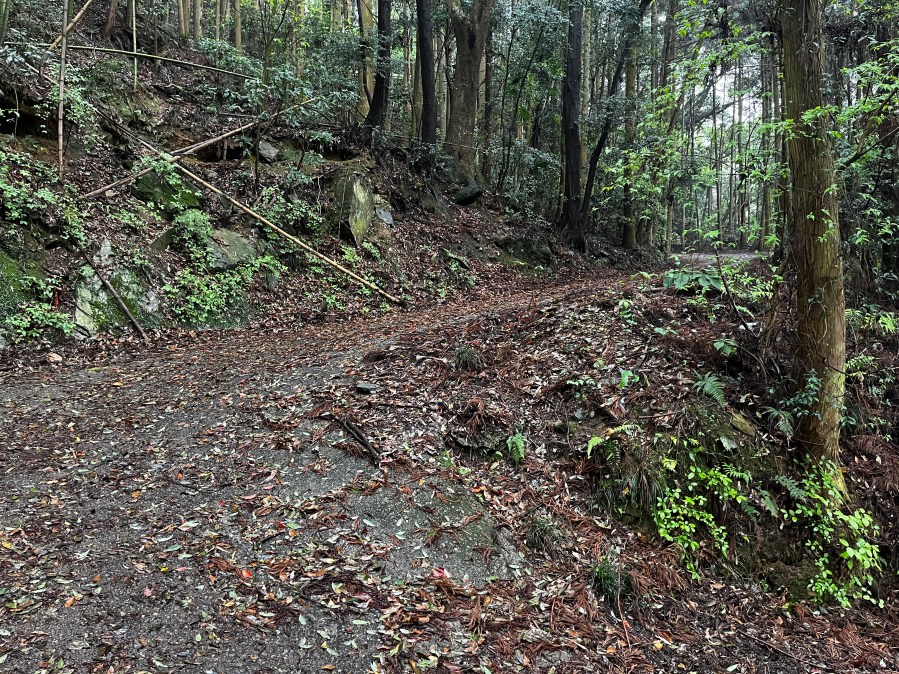


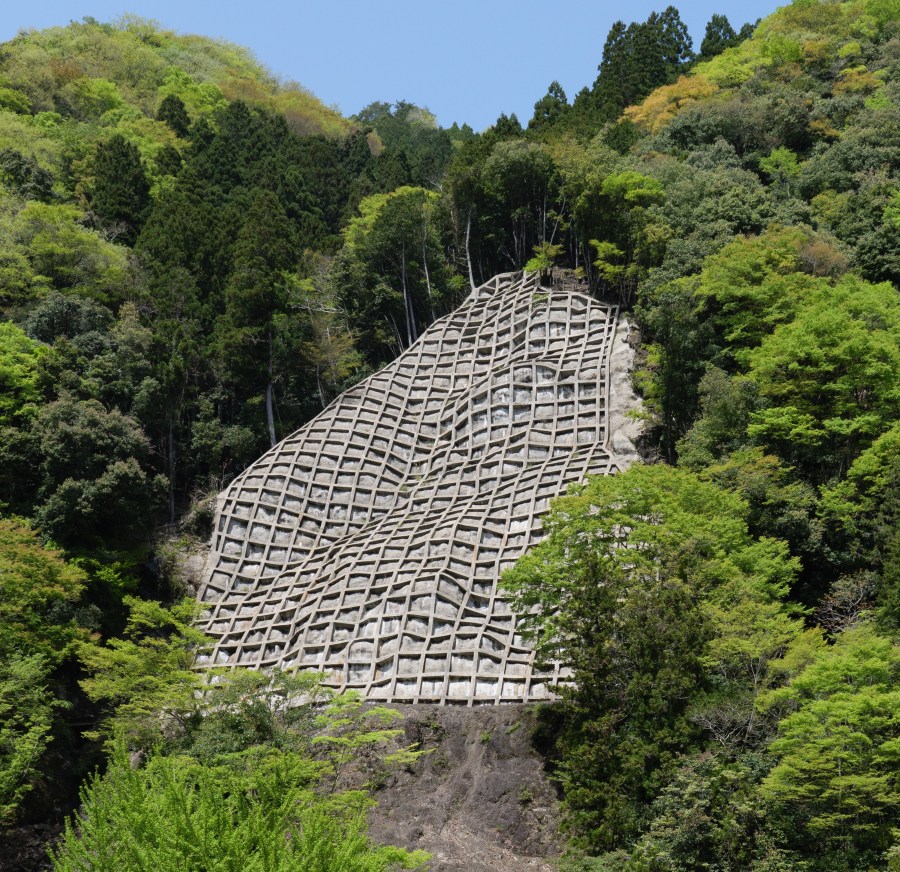


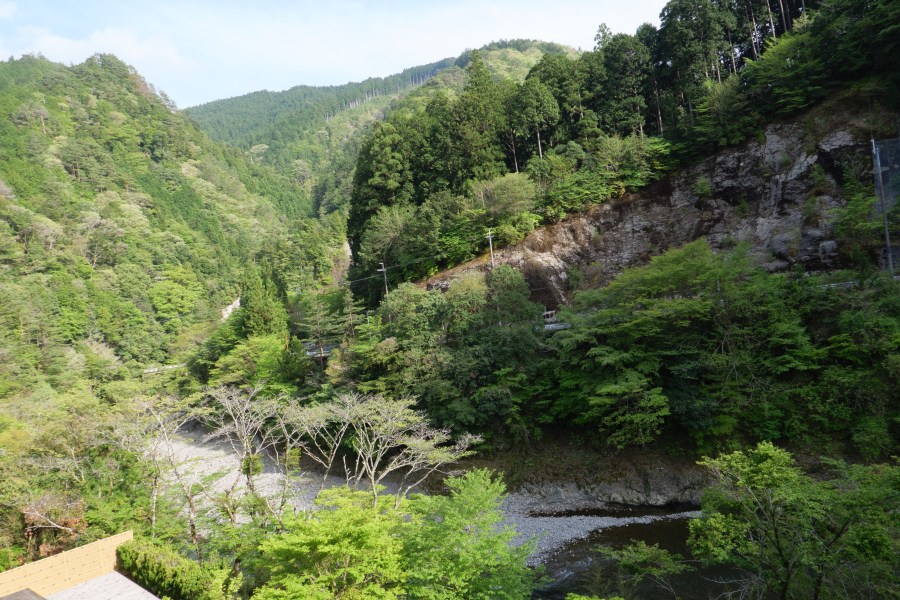
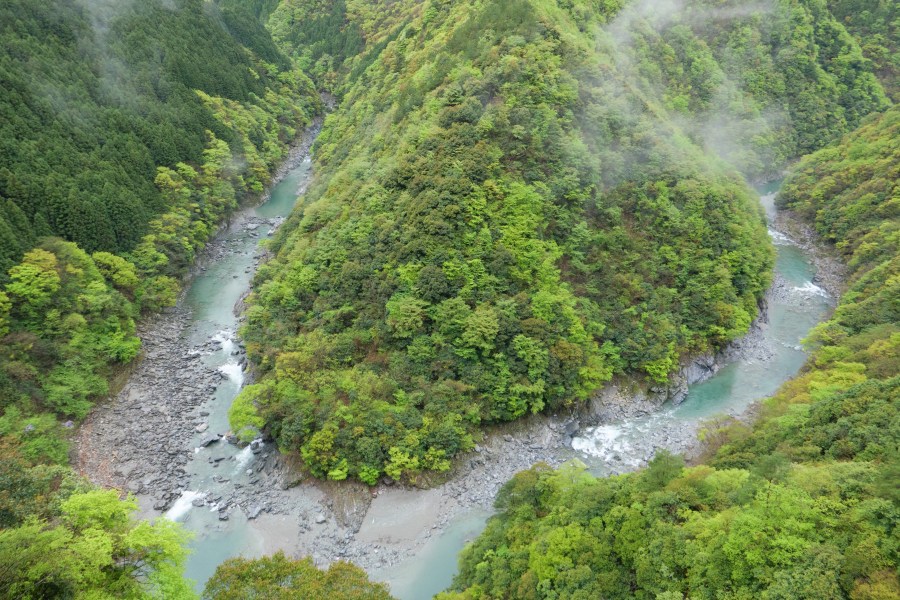
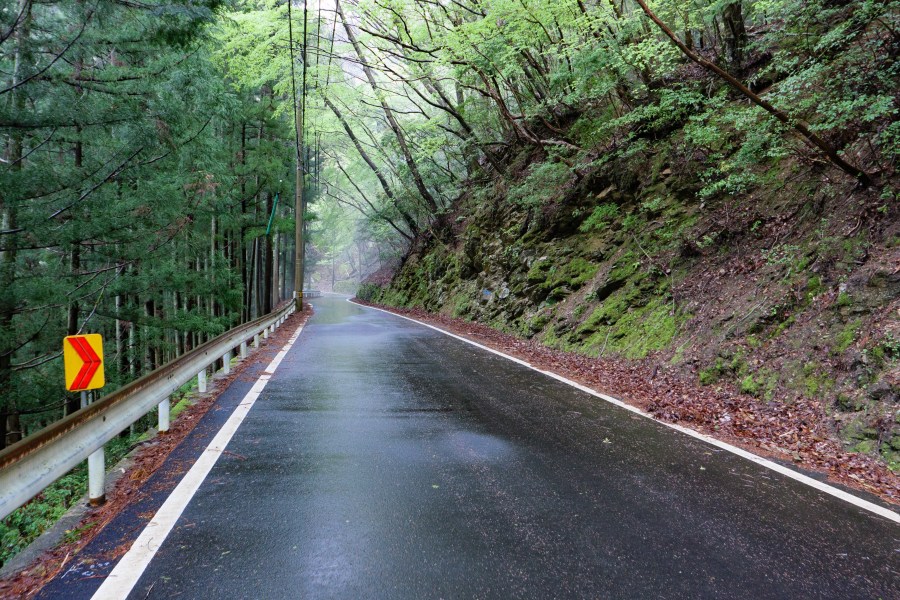
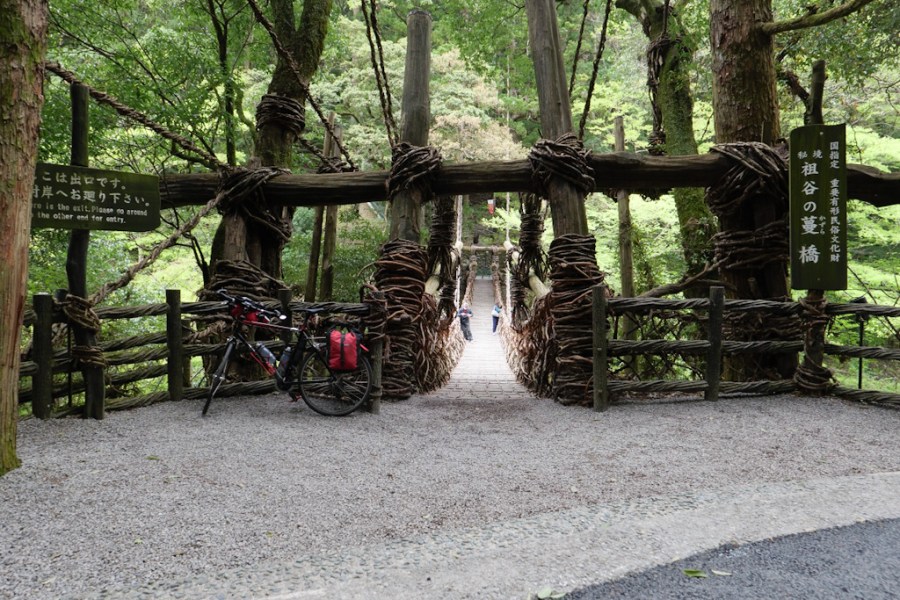
The weather forecast has been accurate. It was supposed to rain all day riding out of the Iya Valley, and it did. A winding road through the beautiful steep canyon was even enjoyable in the light rain.




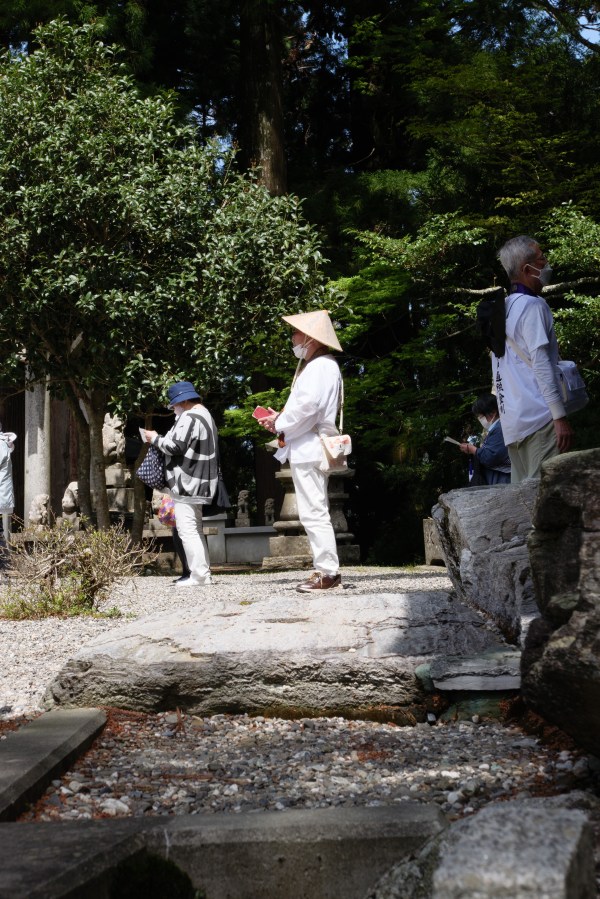
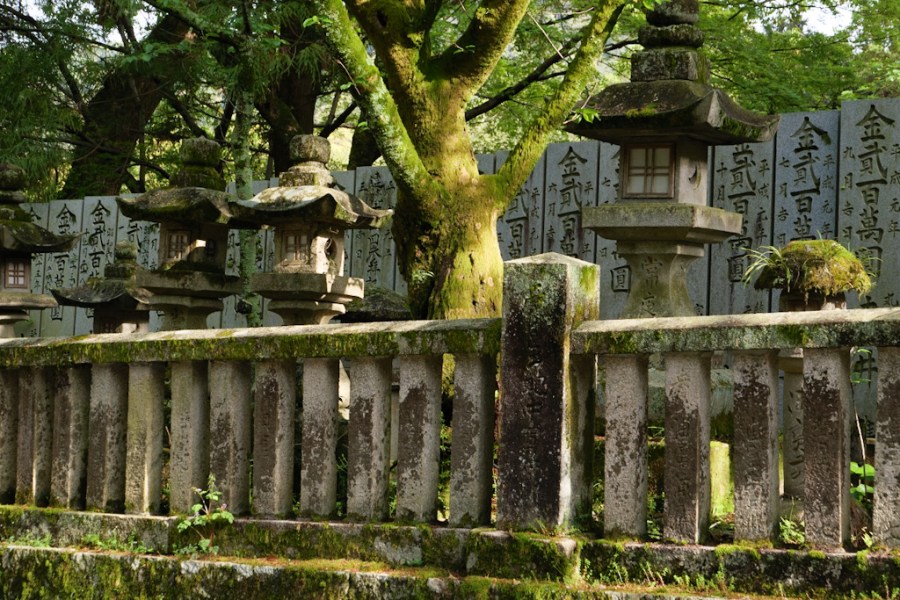
Temple #12 of the Shikoku Pilgrimage. (henro)


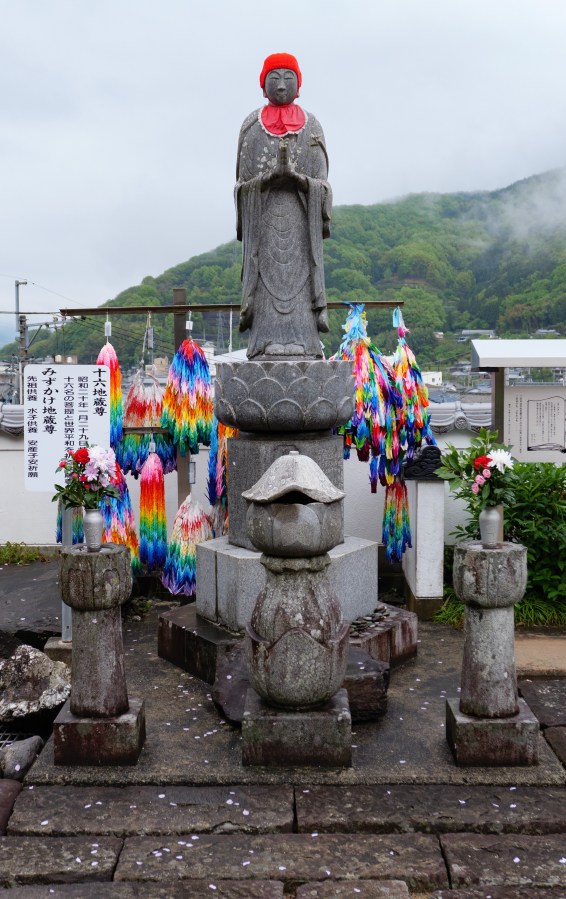
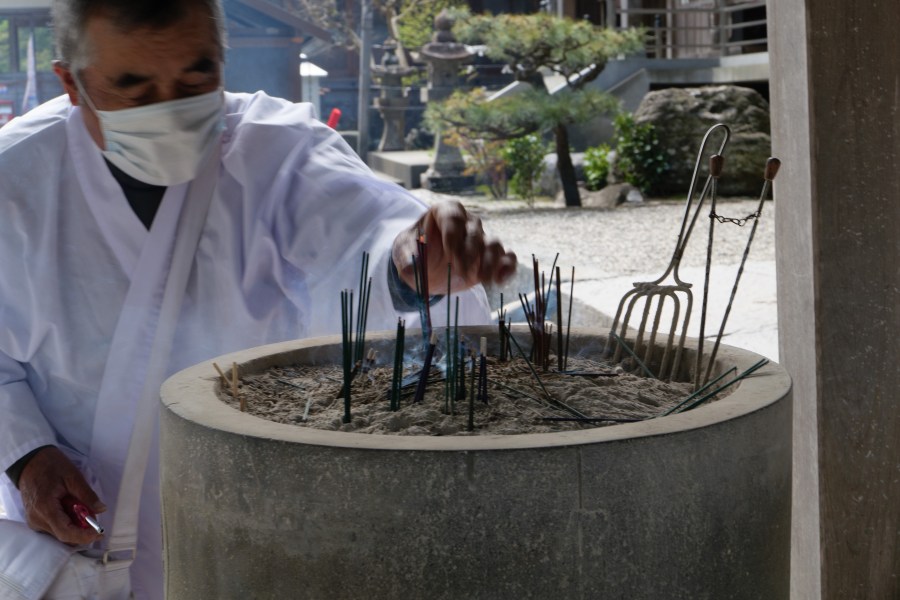


It rains often in Japan. Shikoku is covered with steep mountains, and it’s really remote. And I missed the food. I know why this island is one of my favorite cycling destinations in Japan (though, I would prefer less rain).
The first day was short, Maragume to Kotohira, intended to make sure all was well with the bike, get used to the new navigation tools and the new electronic, wireless shifting. It rained off and on all day. Glad it was short.
The second day, Kotohira to Sadamitsu wasn’t too long but had some climbing. The downhill was a bit much: in 4.8 miles I dropped 2500’. Some of the grades exceeded 25%.
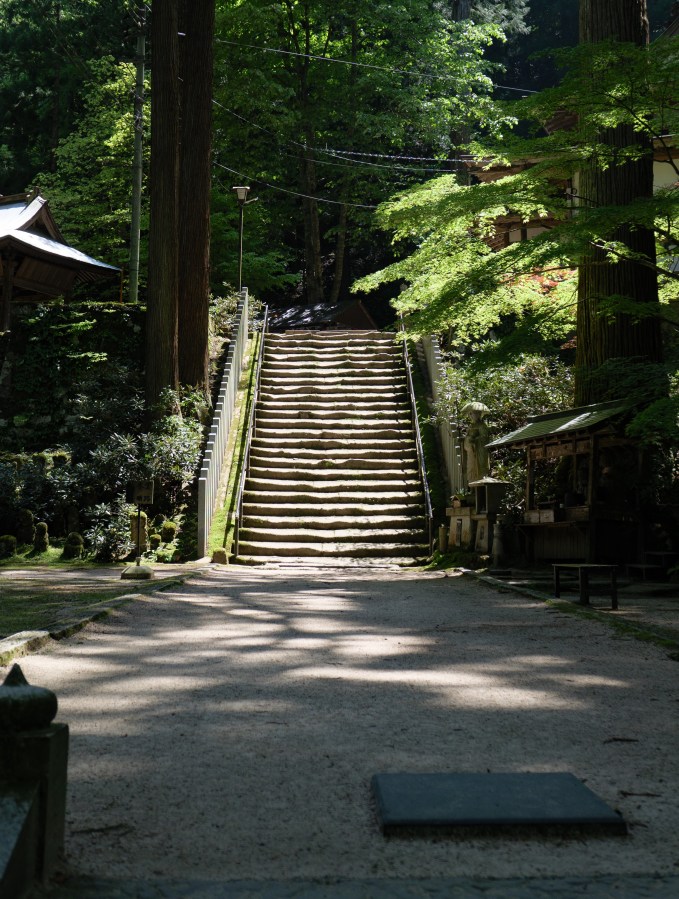
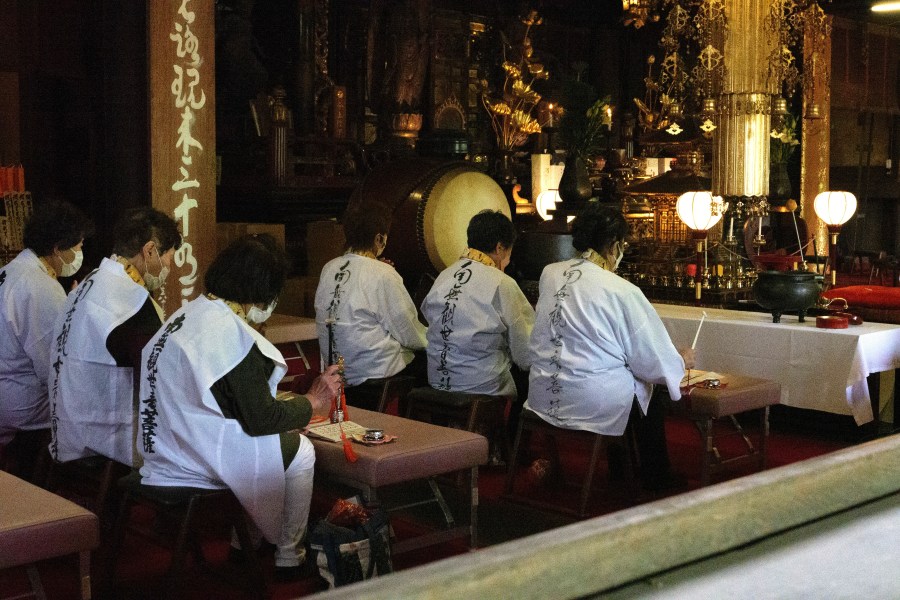
After my ride I walked up 1,379 stone steps to a series of temples. I counted them on the way down. The photo of the monk hitting the big drum was on the way down.

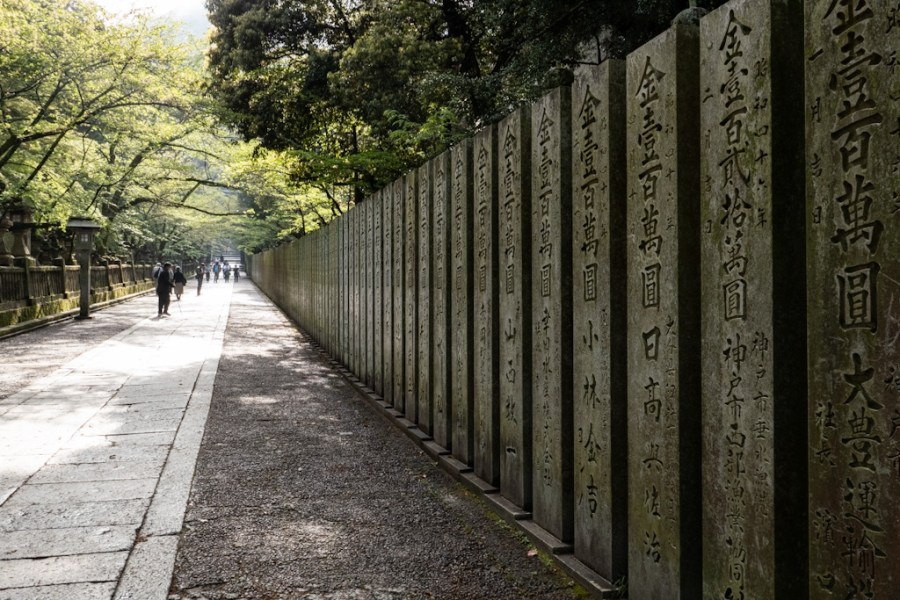
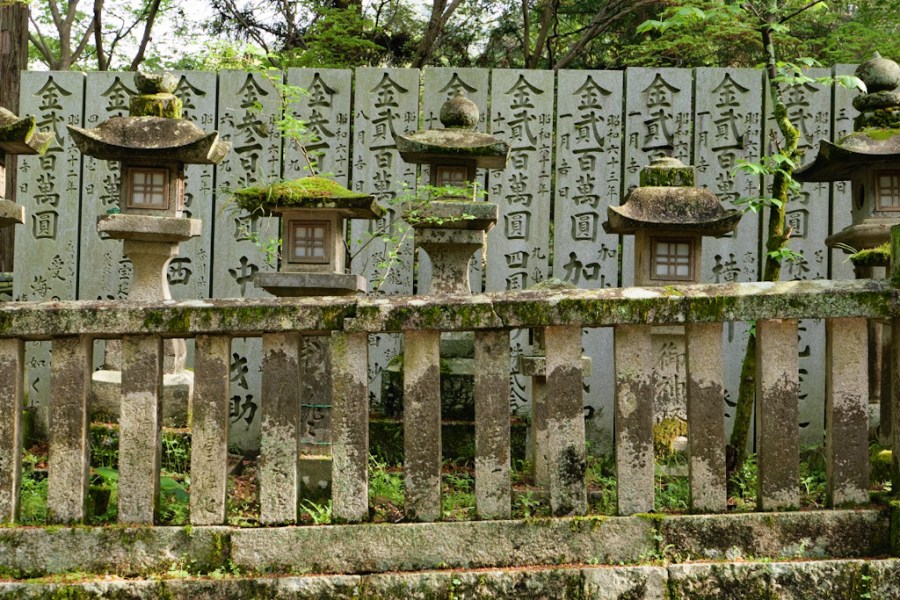



Day three was only 40 miles, Sadamitsu to Iya Valley, but I had to ride my touring bike with panniers up 5200’. Most of that gain was one 17 mile climb. The first 11 miles had only 1100’. But the last 6 had 2800’.




It’s supposed to rain solid all day tomorrow. Oh boy.
This trip starts today with my first bike tour here since Japan closed its doors. While I’m doing that, Alison will be visiting friends, staying at a Zendo, and renting a house in Kyoto for a week. I’ll be doing a “Hills and Hot Springs” cycling trip.
First, I ride on Shikoku for 5 days doing 200 miles with 20,000′ of gain. Then I take the ferry from Tokushima to Wakayama, and on the Kii Peninsula I ride 8 days, doing 320 miles and 42,000′ of gain.
After that, I meet up with Alison and we we do a few road trips, spending 4 weeks traveling around Shikoku, Western Honshu, and Hokkaido.
Here’s the bike route:

We spent 3 days in Tokyo before going our separate ways. Did some shopping, visited the Tokyo Photography Museum, wandered around, soaked in the hotel’s spa (Yu, ゆ).




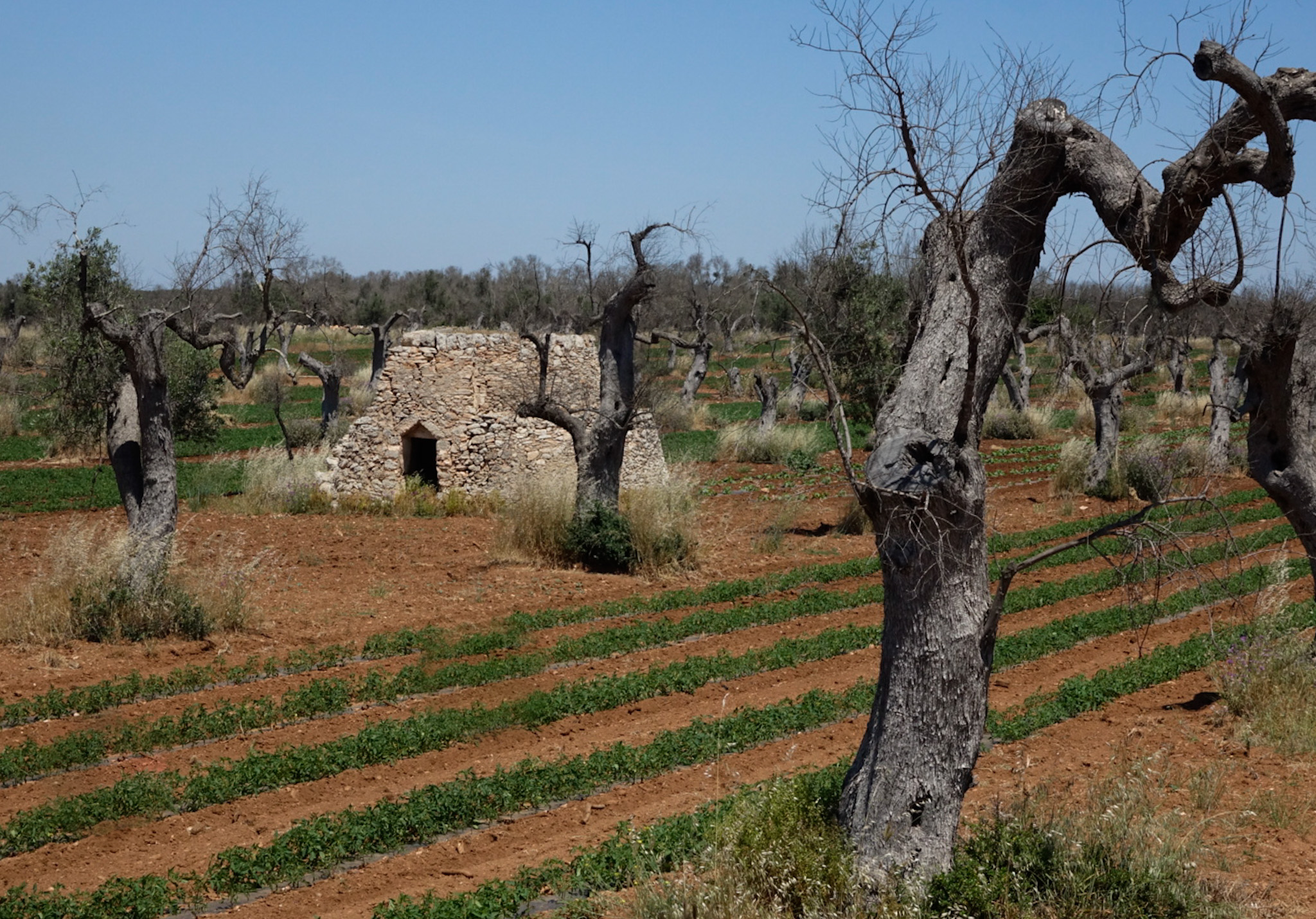
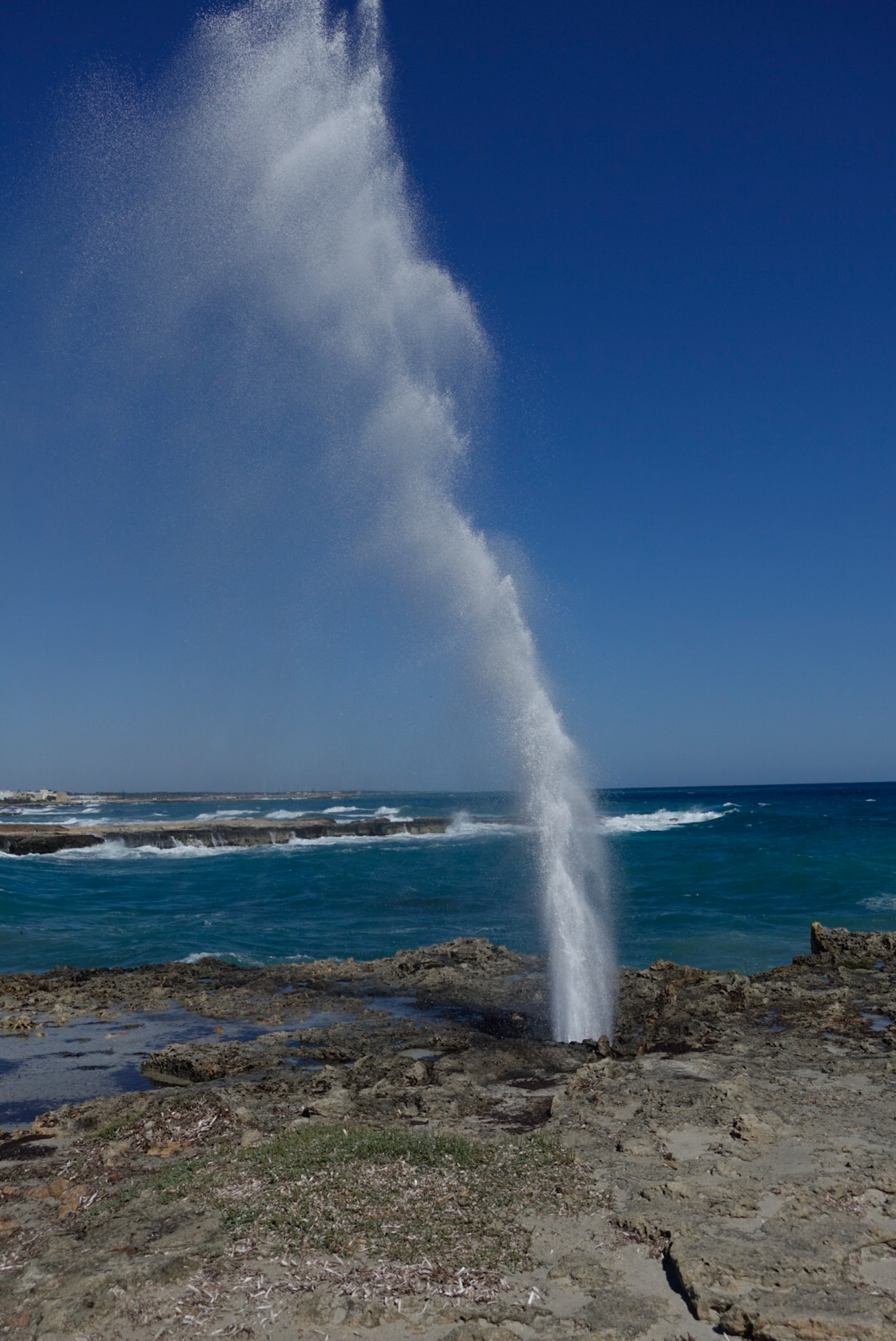


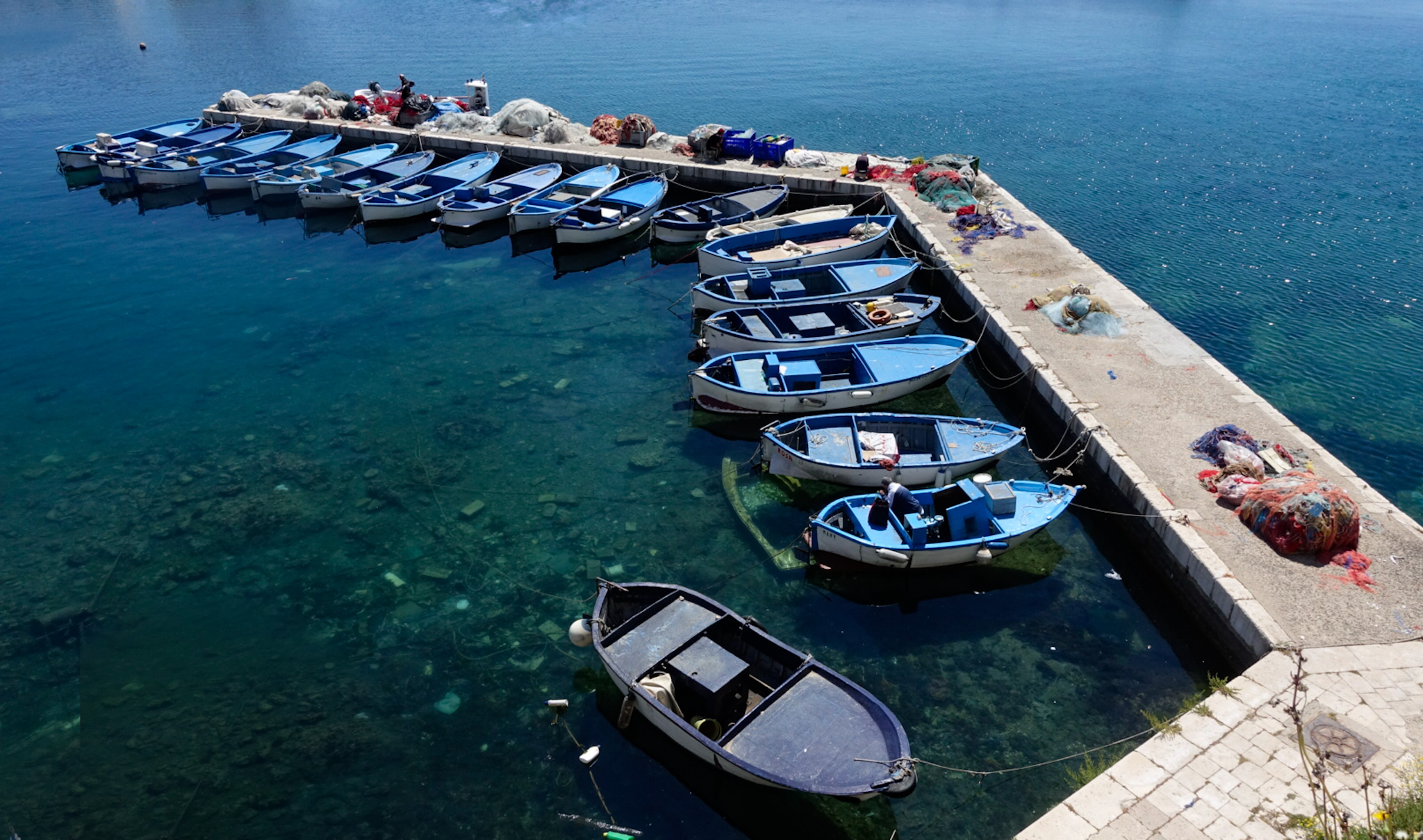

On a drive south of Lecce, we saw thousands of olive trees that have been hit by a bacteria that chokes the trees to death. It reached southern Italy in 2013, and since then, it has killed one-third of the 60 million olive trees of Puglia.
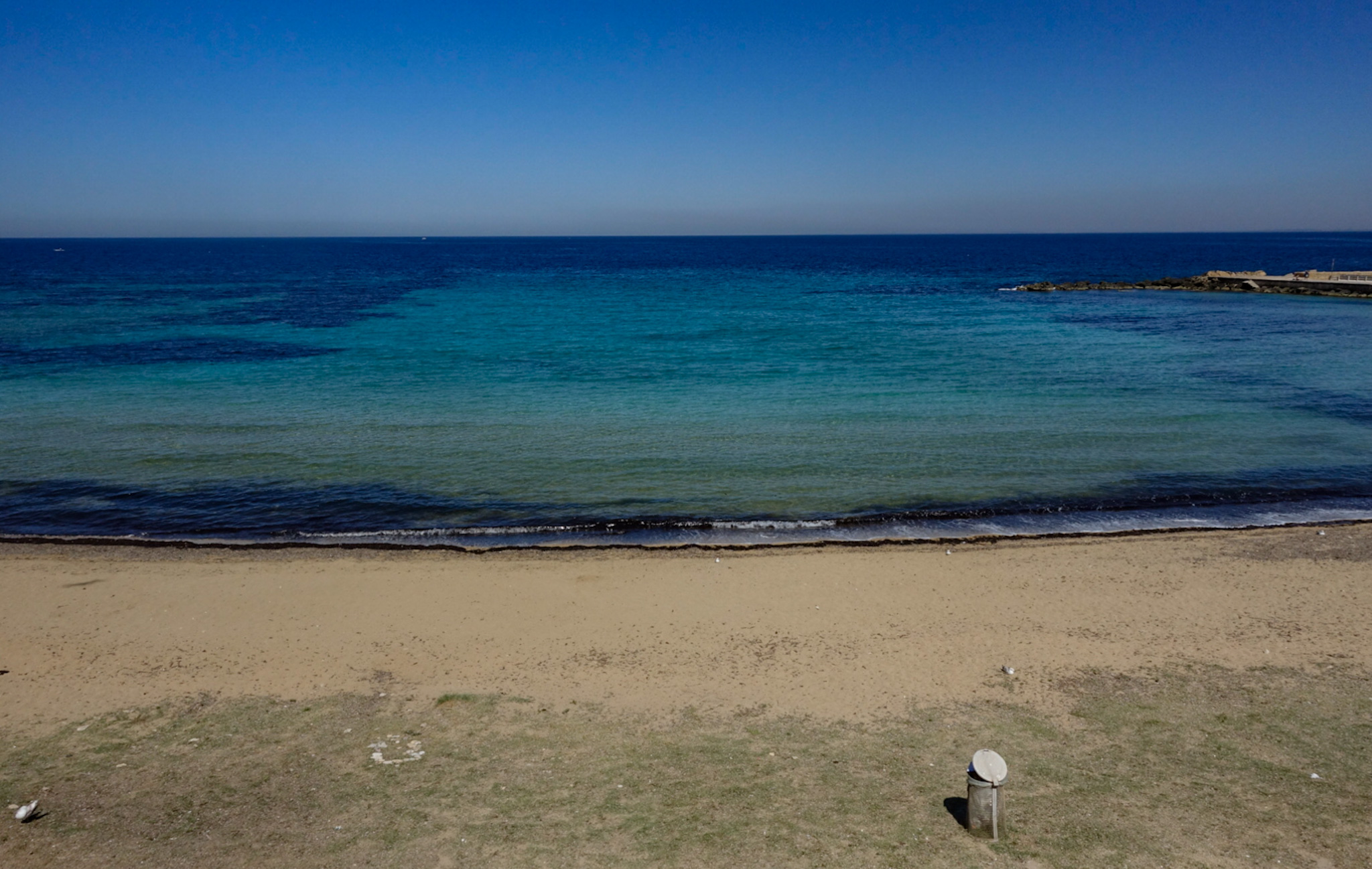
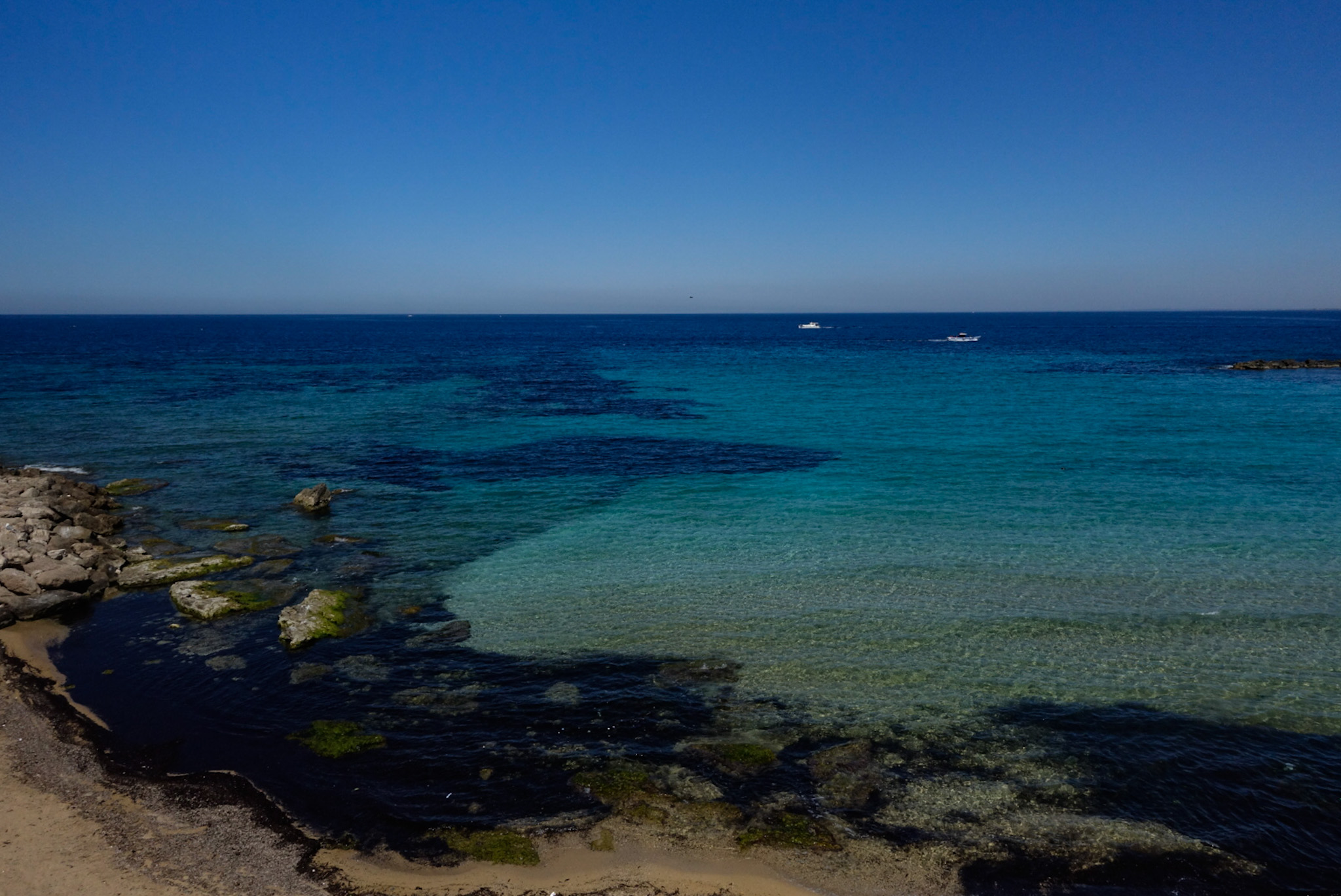
The Mediterranean was an amazing color. That’s Alison in a olive press cave.


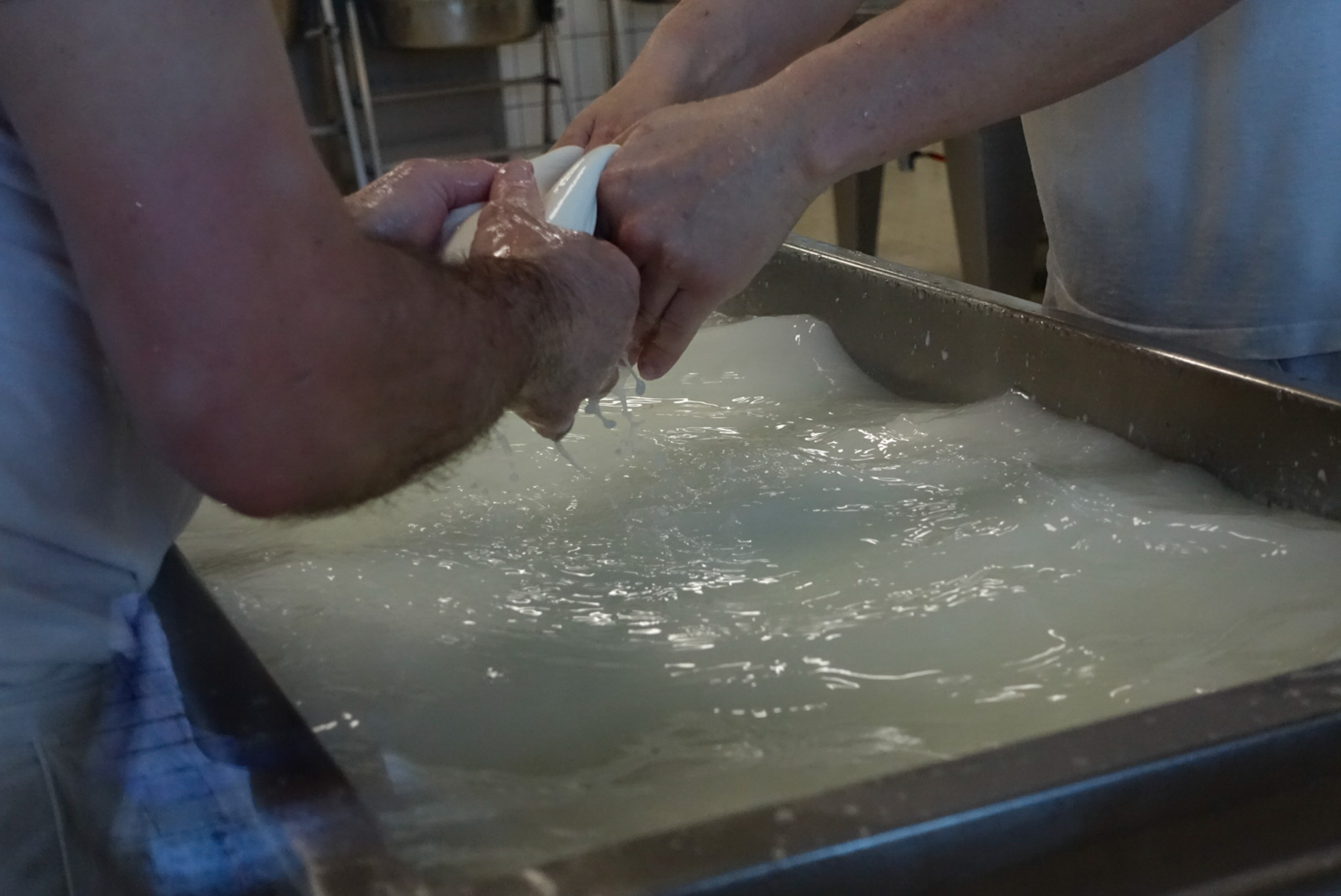


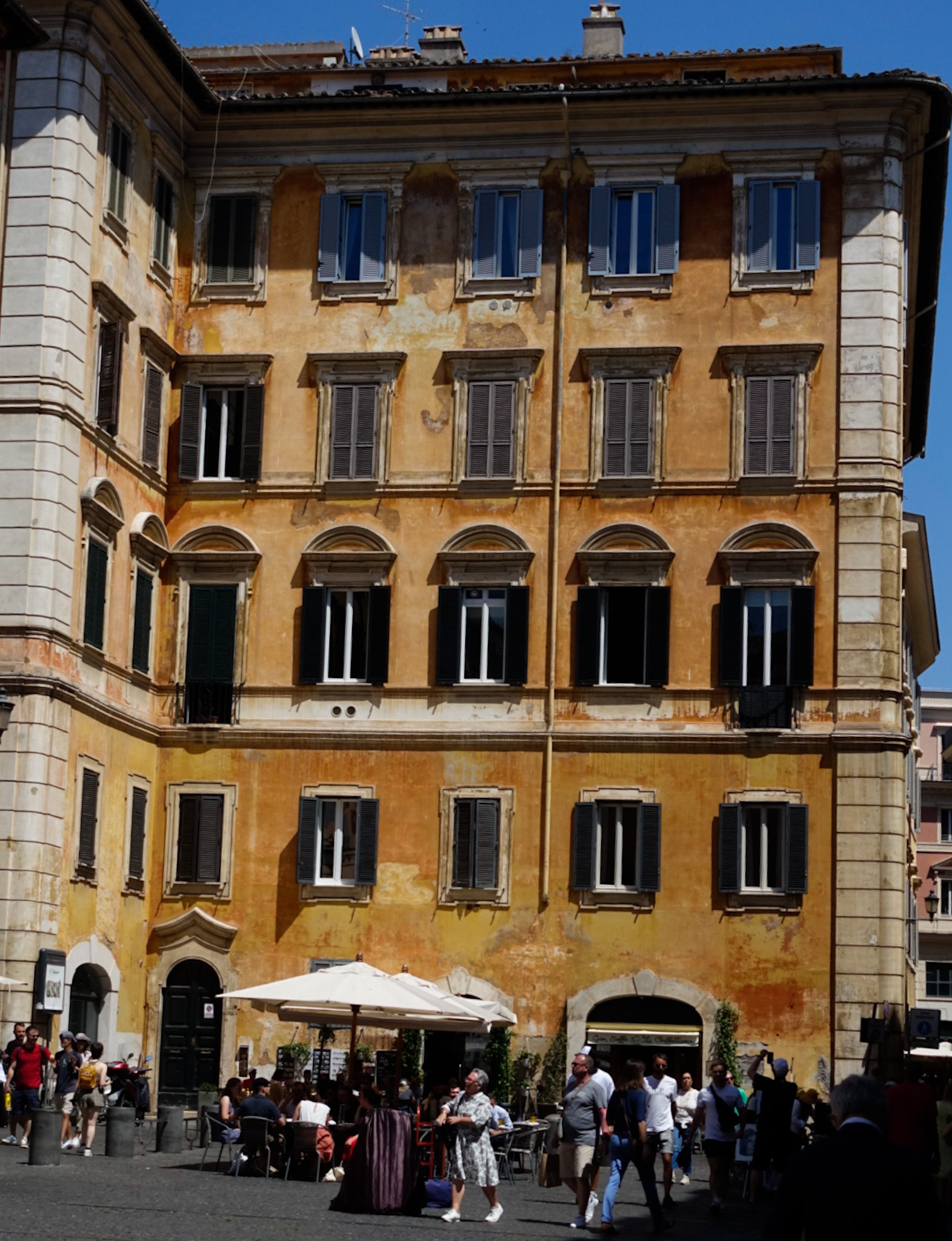


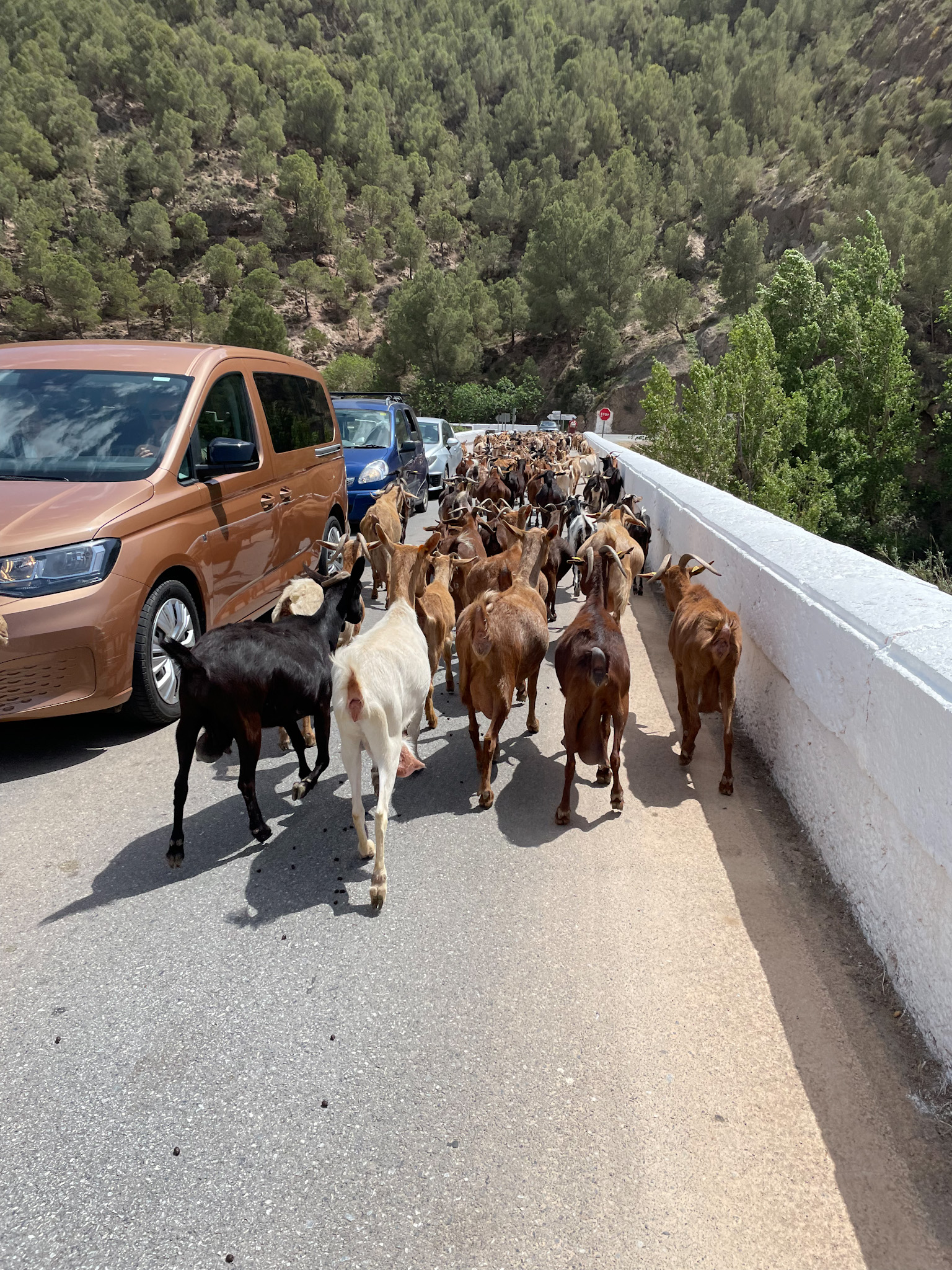

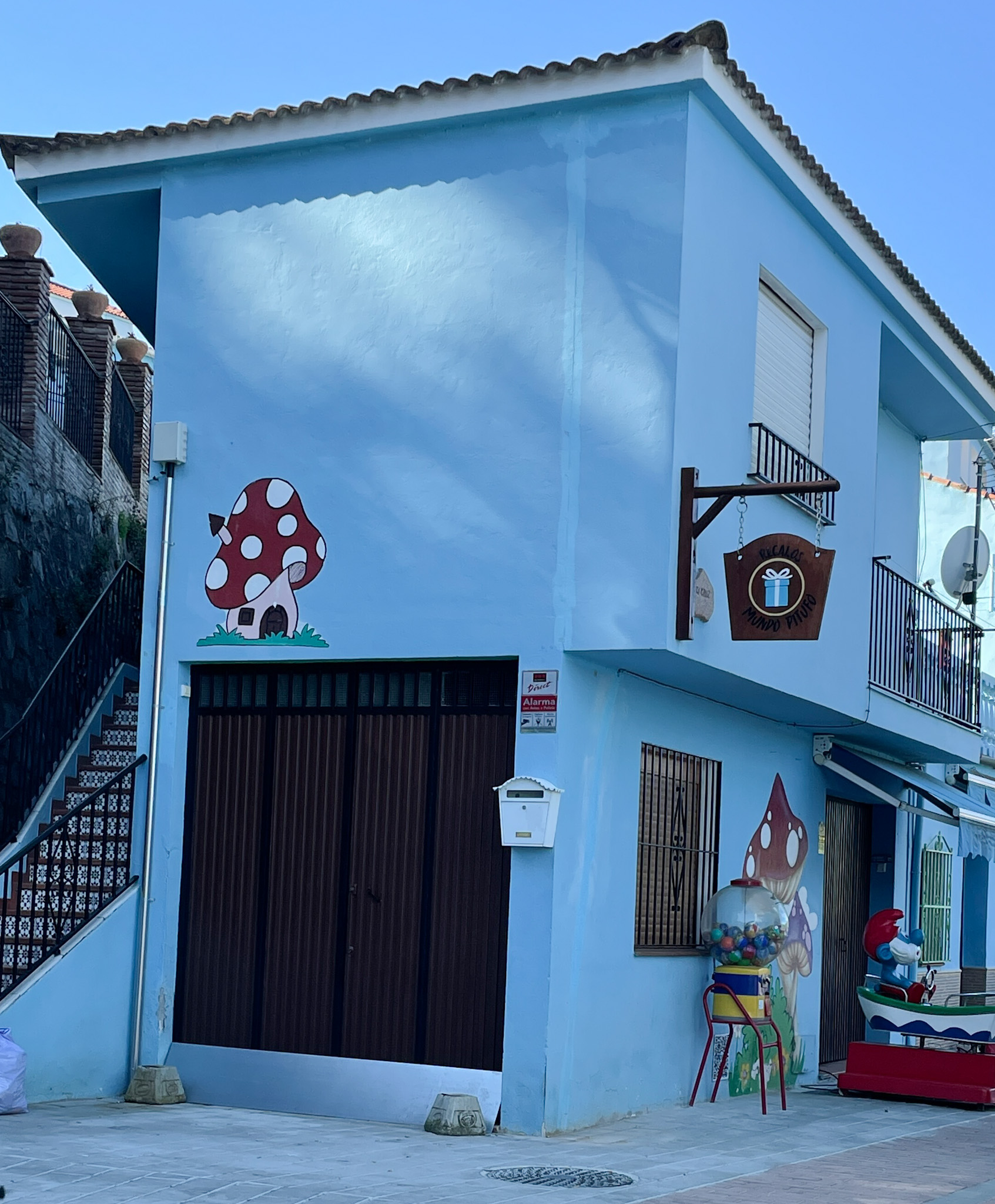


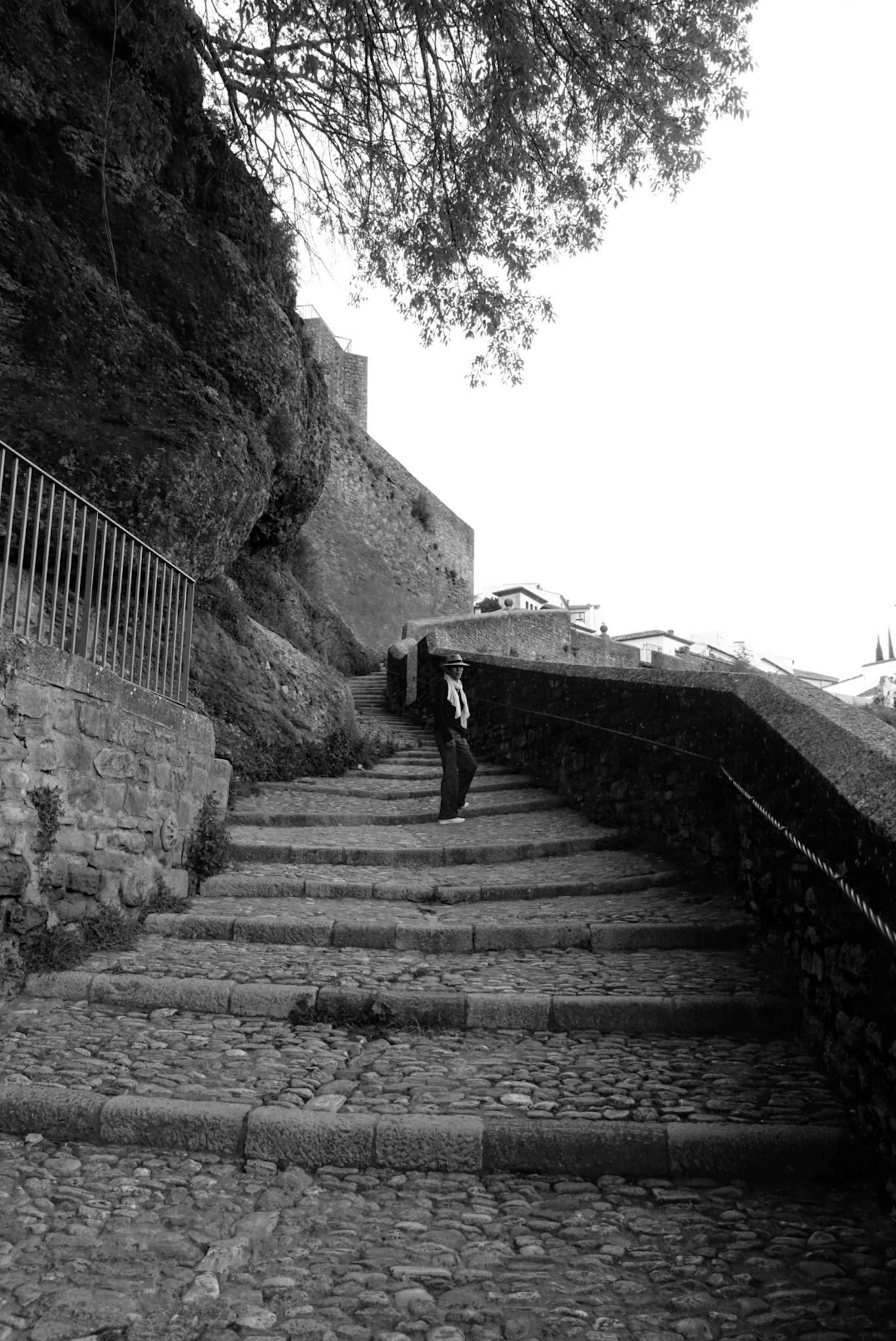
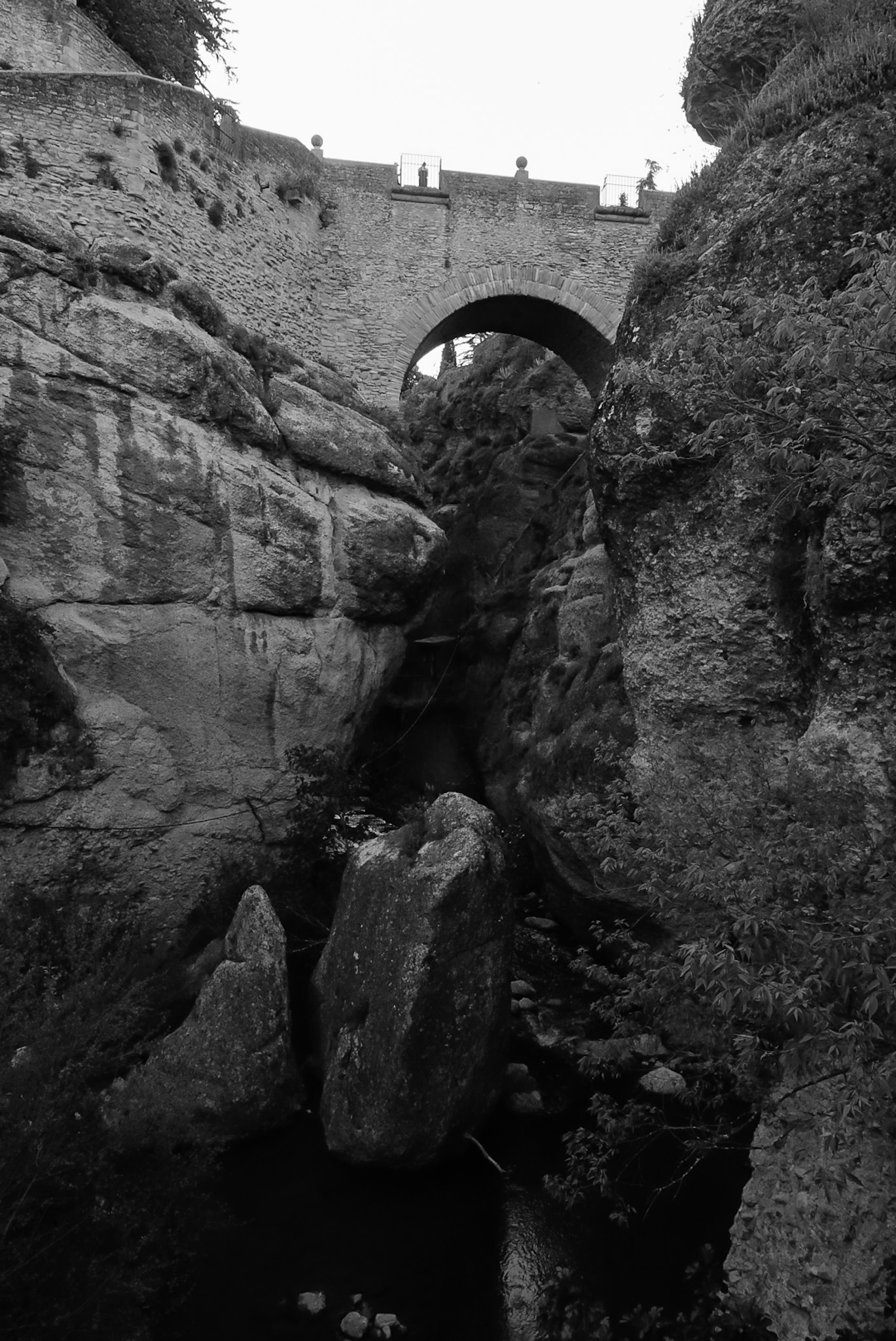


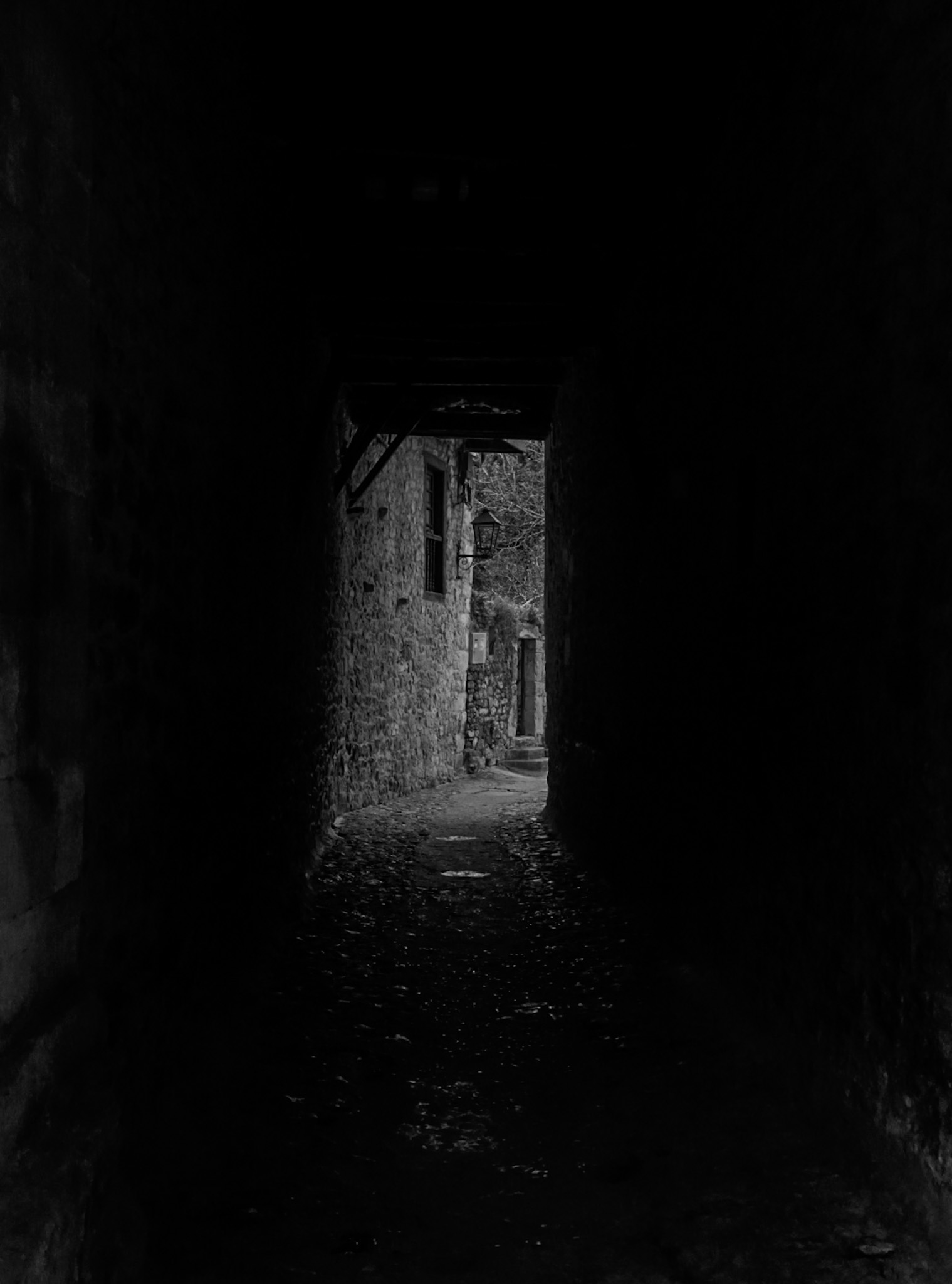
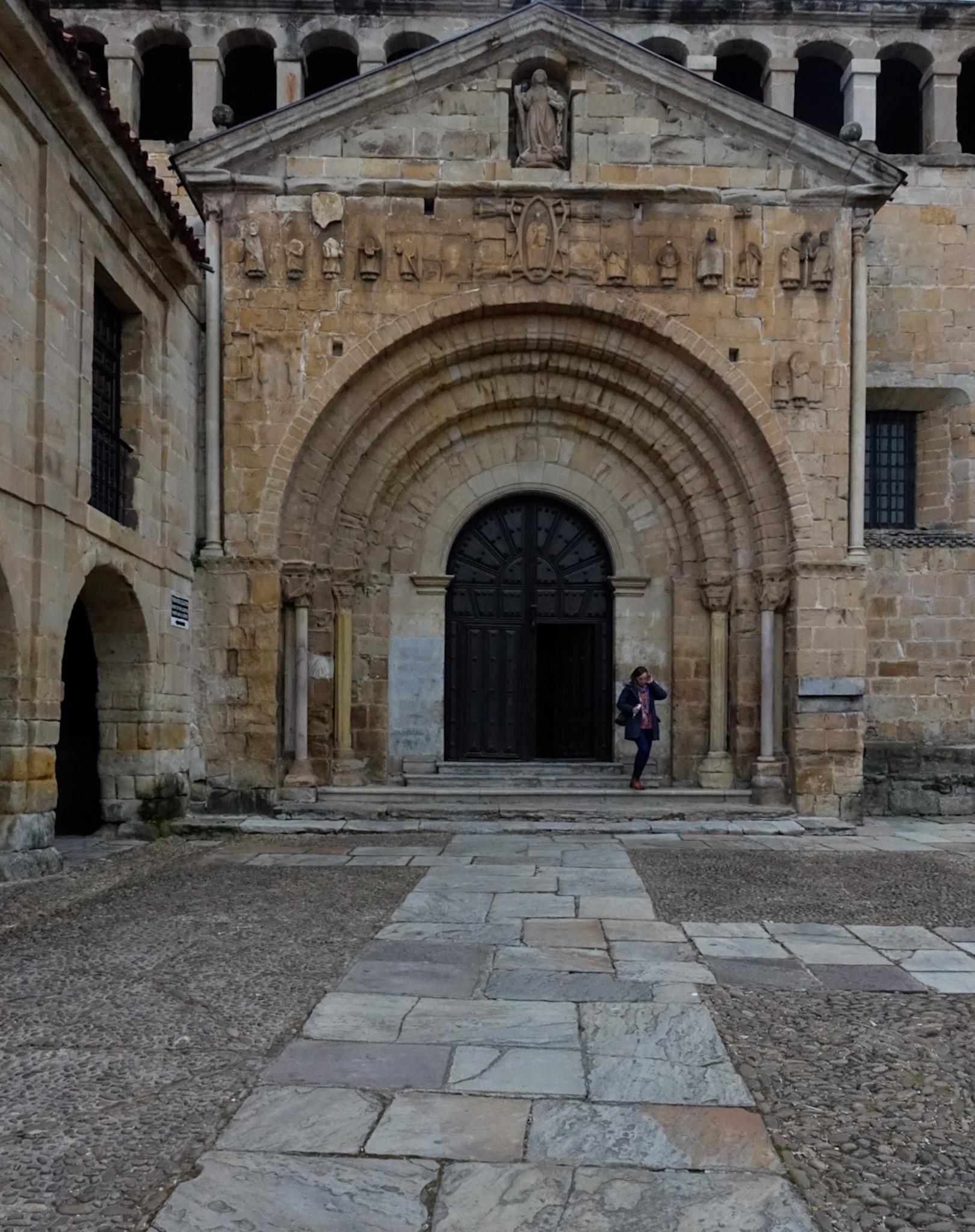
A stormy sea, a medieval village with LOTS of stone, and an early Antoni Gaudi designed residence.


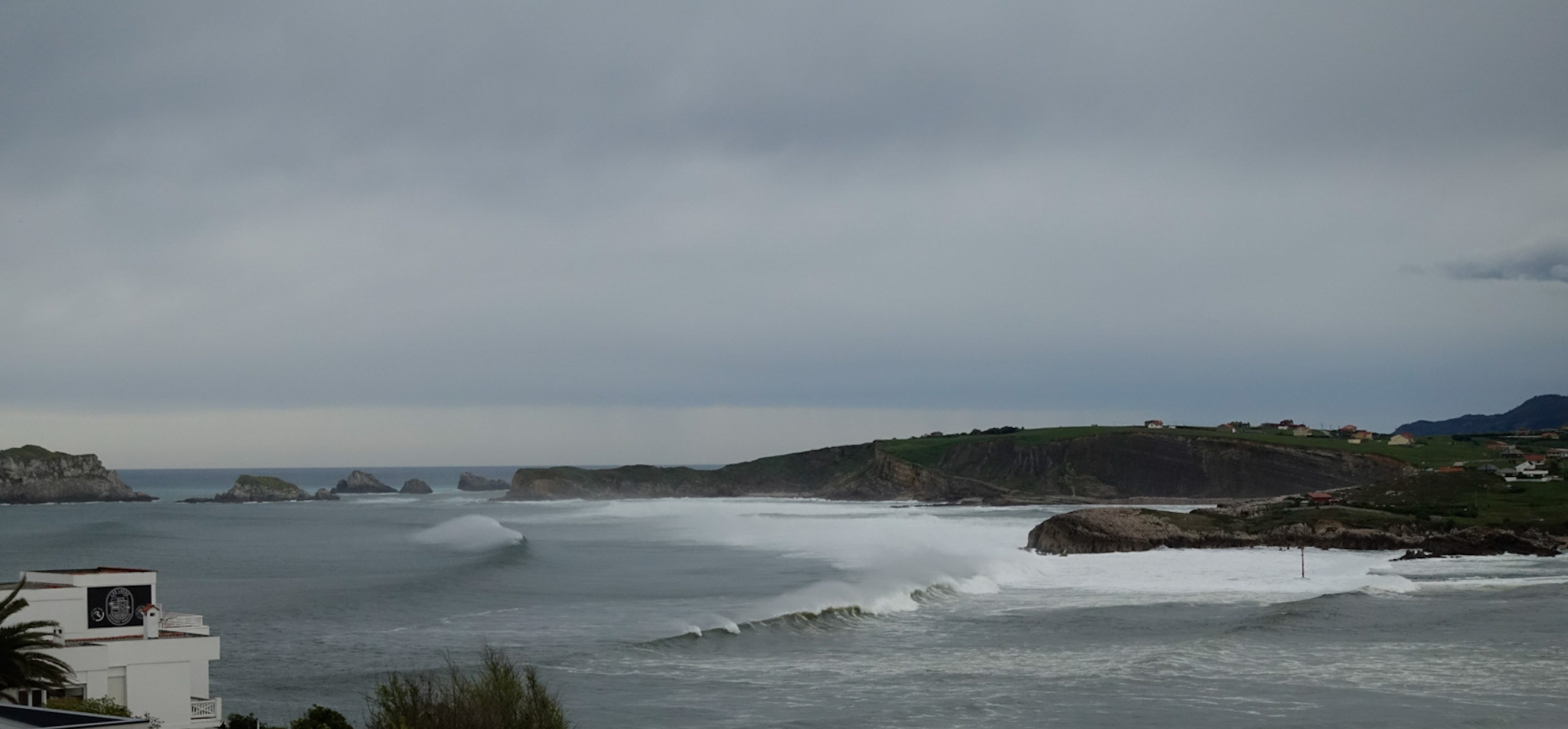


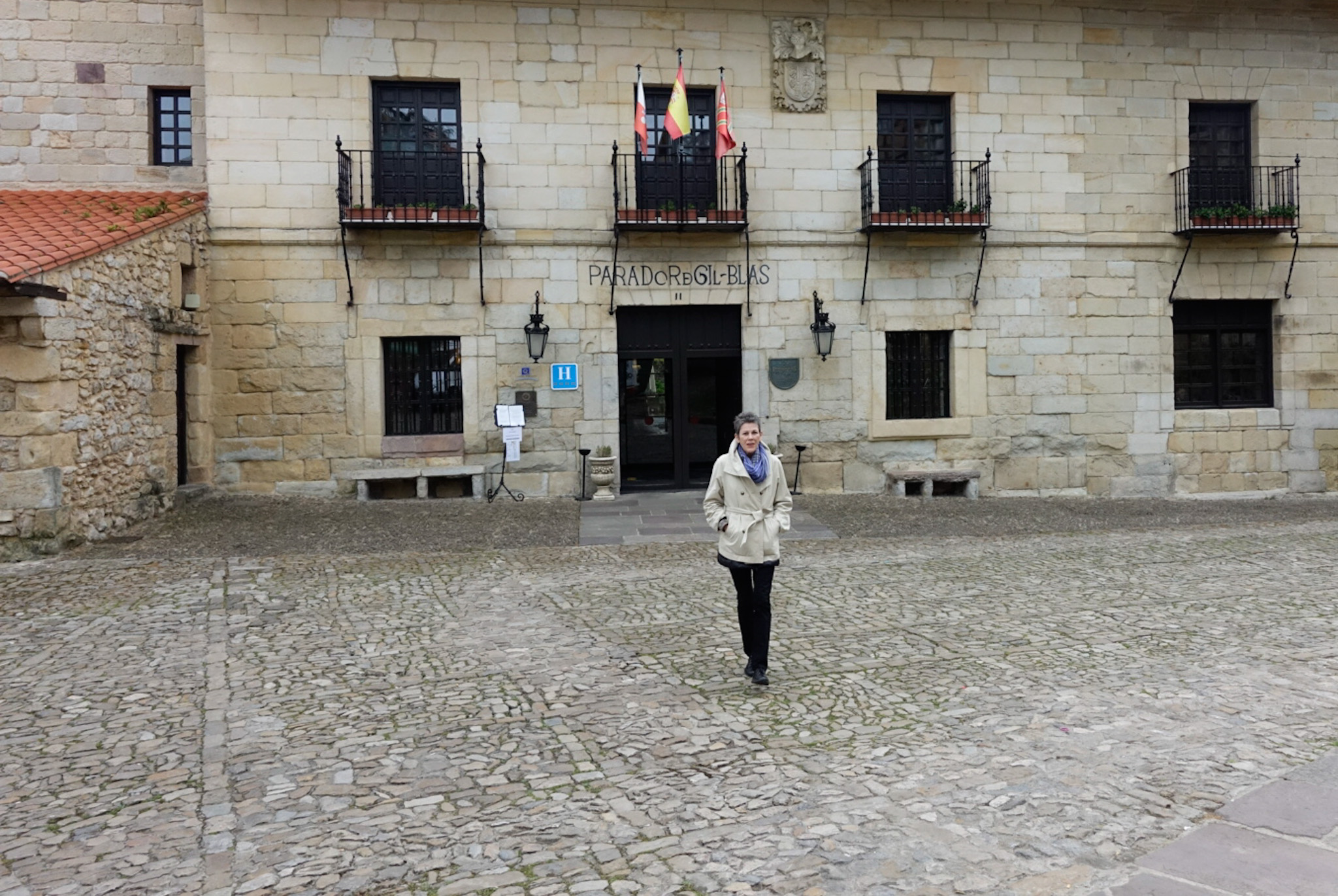






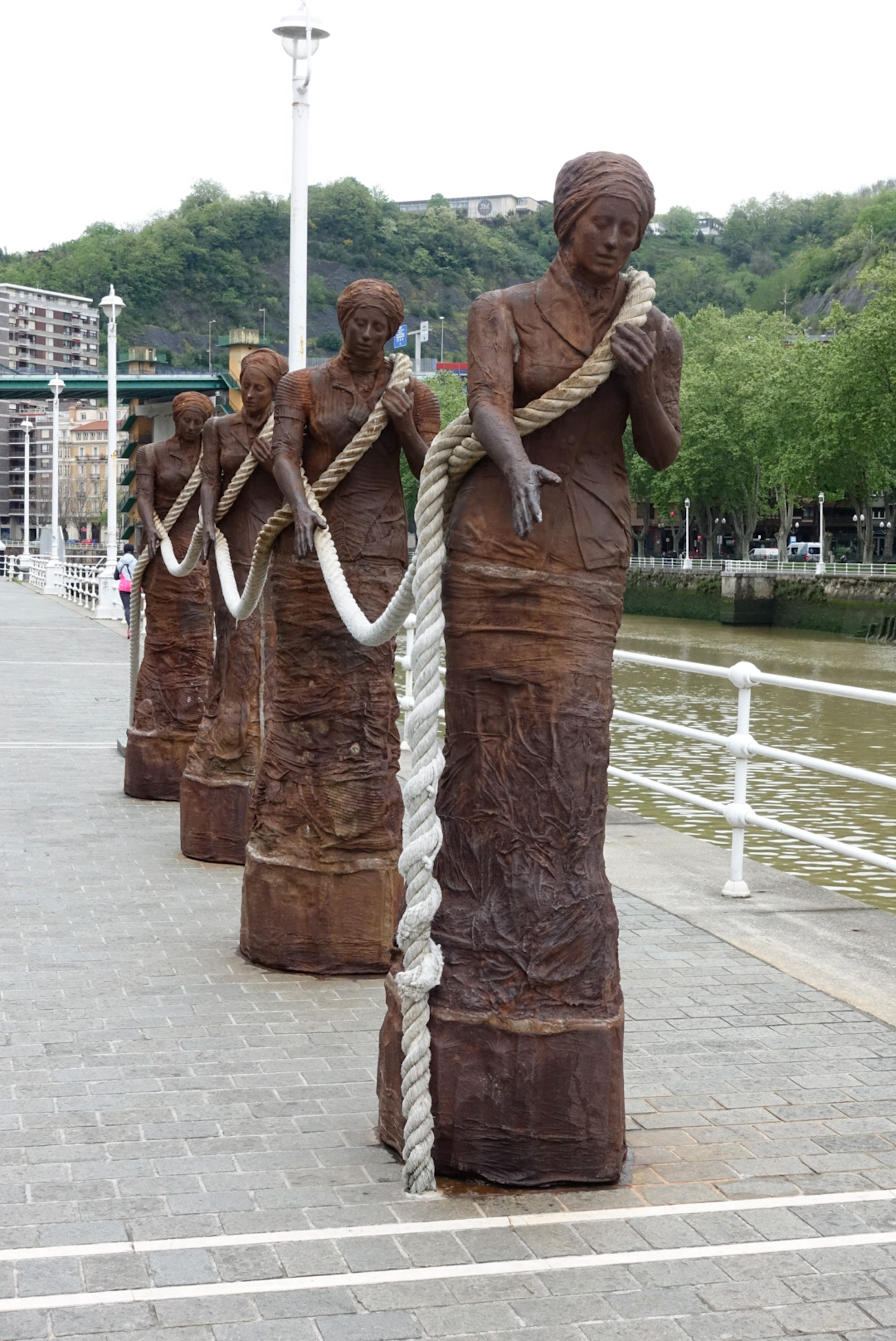
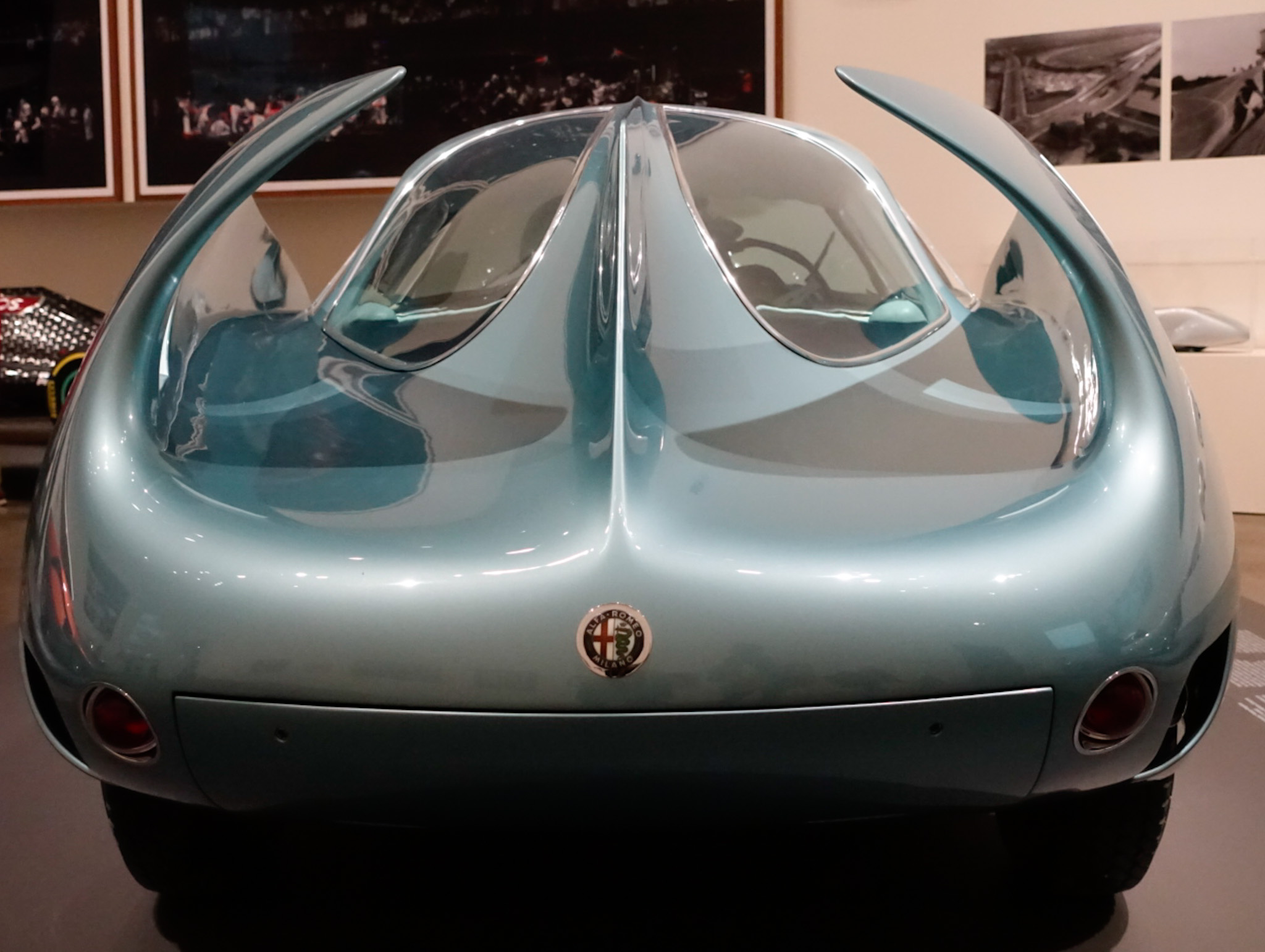
This trip starts in Bilbao. (Click on an image to launch a slideshow)

























 robert j. mang cycling/travel